Structured water bottles and devices promise hexagonal clusters, cellular-level hydration, and energized water that outperforms what comes from your tap — but the claims move faster than the evidence. Here's what's actually been studied, what's just branding, and how to spend your hydration budget on things that measurably work.
What "Structured Water" Actually Means
"Structured water" is a marketing term used to describe water that has supposedly been altered at the molecular level into a different physical arrangement — often described as hexagonal clusters, vortexed energy, or "EZ water" (exclusion zone water) — that proponents claim is more hydrating, more bioavailable, or carries higher energy than ordinary tap or filtered water.
The concept borrows loosely from legitimate physics research on water behavior near hydrophilic surfaces (the exclusion zone work of Dr. Gerald Pollack is the most frequently cited source). That research is real and interesting, but it describes a thin boundary layer effect under specific lab conditions — it does not establish that swirling, magnetizing, or running water through a ceramic device permanently restructures bulk water you drink from a bottle.
The Core Claims You'll See on Product Pages
Structured water devices and bottles are sold with a fairly consistent set of promises. Understanding what's being claimed — and what's testable — is the first step to evaluating them.
- Smaller or "hexagonal" water clusters that cell membranes absorb faster
- Higher cellular hydration or improved nutrient absorption
- Increased energy, better detoxification, or reduced inflammation
- Improved taste and "aliveness" compared to tap water
- Restoration of water's "natural state" as found in glaciers or mountain springs
What the Science Actually Supports
Peer-reviewed, independent research directly testing commercial structuring devices (vortexers, magnetized pitchers, ceramic structuring balls) for health outcomes in humans is extremely limited. The small body of water-cluster research that does exist is largely confined to physics and materials science, not clinical hydration or nutrition studies.
Mainstream hydration physiology — the kind backed by decades of exercise science and nephrology research — explains hydration status through total body water, electrolyte balance (sodium, potassium, magnesium), and fluid intake relative to losses from sweat, respiration, and urine. None of the leading hydration research bodies currently recognize "water structure" as a measurable factor in how well your body absorbs or retains fluid.
This doesn't mean structured water devices are harmful — most simply filter or aerate water, which can genuinely improve taste and remove contaminants. The issue is the gap between what's scientifically demonstrated (filtration, mineral content, taste) and what's marketed (cellular-level restructuring with health benefits).
| Factor | Why It Matters | How to Check It |
|---|---|---|
| Electrolyte content | Sodium and potassium help water move into cells and get retained rather than passed quickly as urine | Check label or add an electrolyte mix |
| Mineral (TDS) level | Very low-TDS water (like some reverse osmosis output) can taste flat and lacks magnesium/calcium | Home TDS meter or supplier spec sheet |
| Filtration method | Determines what contaminants (chlorine, PFAS, heavy metals) are removed | NSF/ANSI certification documents |
| Temperature | Cool water empties from the stomach faster, which can speed perceived hydration during exercise | Personal preference / use case |
| Total daily intake | The single biggest driver of hydration status, regardless of water "type" | Track with a marked bottle or app |
Build Real Hydration From the Inside Out
Skip the structuring debate and focus on what's measurable: electrolyte balance. A quality sodium-potassium-magnesium blend does more for cellular hydration than any clustering claim.
Shop Electrolyte Mixes →
When a Filtration or Mineral-Boosting System Might Actually Help
Not every structured water product is pure marketing fluff. Many devices sold under the "structuring" label are, underneath the branding, legitimate multi-stage filters or mineral-adding cartridges. If your household water has heavy chlorine taste, high sediment, or very low mineral content, upgrading your filtration genuinely can improve taste, reduce contaminants, and make you more likely to drink enough water daily — which is the real hydration win.
Look past the structuring language on the box and check for independently verifiable specs: NSF/ANSI 42, 53, or 58 certification, a published filter media breakdown (activated carbon, reverse osmosis membrane, remineralization stage), and a clear filter-life/replacement schedule.
Upgrade What's Actually in the Water, Not Its "Structure"
NSF-certified pitcher and countertop filters remove chlorine, sediment, and common contaminants — delivering the taste and purity benefits structured water marketing promises, backed by real certification.
Compare Filter Systems →Key Considerations Before You Buy
If you're still drawn to a structured water bottle, vortexer, or in-line device, weigh these points honestly before spending money.
- Price premium: structuring devices often cost significantly more than equivalent-quality filters with no added clustering claim
- Independent testing: ask whether any third-party lab (not the manufacturer) has verified the structural or health claims
- Overlap with filtration: many "structured water" bottles are really just a filter plus a marketing story — check what filtration stage is actually inside
- Realistic expectations: better taste and consistent daily intake are achievable benefits; cellular-level transformation claims are not currently verifiable
- Your actual bottleneck: if you're not hitting your daily fluid or electrolyte targets, no amount of water structuring fixes that gap
A Practical Hydration Stack That's Backed by Evidence
For most people — athletes, office workers, or anyone trying to dial in daily hydration in 2026 — the highest-leverage upgrades are unglamorous but proven: consistent intake tracking, adequate electrolytes (especially around exercise, heat, or illness), and clean-tasting, contaminant-free water you'll actually want to drink.
Combining a certified filtration system with a quality electrolyte or mineral supplement addresses every mechanism structured water claims to improve — taste, mineral content, and cellular uptake — using methods that are independently measurable.
Track Intake, Not Marketing Claims
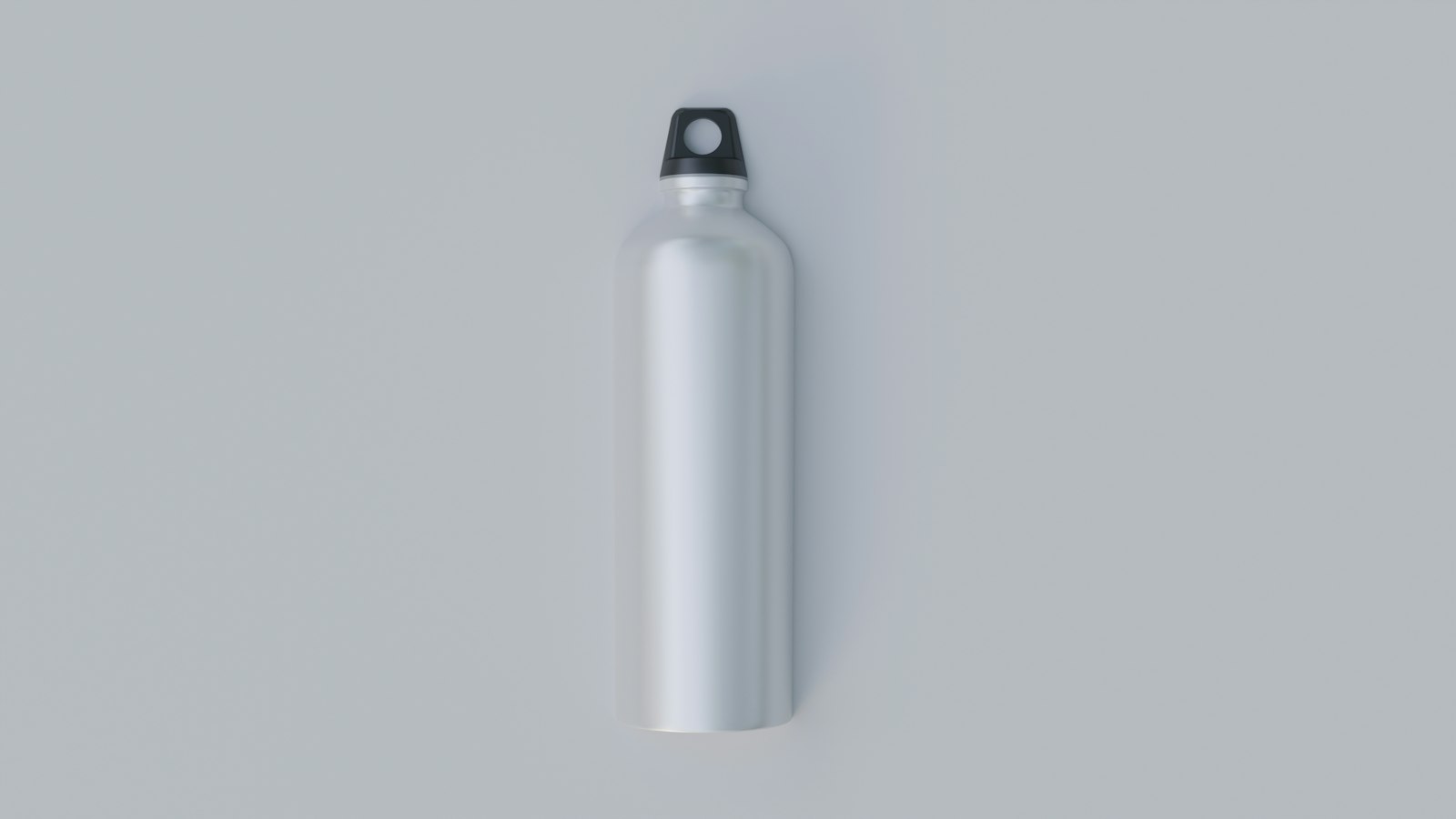
A marked hydration bottle takes the guesswork out of daily water intake, the single biggest factor in how hydrated you actually are.
Shop Hydration Bottles →Bottom Line
Structured water occupies a space between genuine physics research and consumer marketing that outpaces the evidence. The exclusion-zone science is real but narrow; the leap to bottled "hexagonal" water curing fatigue or supercharging cells isn't currently supported by independent clinical research.
Your hydration budget is better spent on verified filtration, adequate electrolytes, and simply drinking enough water consistently — upgrades with decades of research behind them rather than a compelling origin story.
From across the network
More from the network on related topics: VitaminSupplyCenter · TrainLikeAlpha · EliteRecoveryLab.