Drinking more water isn't always the answer to feeling dehydrated — and the missing piece is almost always sodium. Here's the actual physiology behind why sodium controls fluid balance, who needs to pay attention to it, and how to get the ratio right without overcomplicating your routine.
Why Sodium Is the Real Hydration Switch
Water goes where sodium goes. That's the single most important fact most hydration advice skips. Sodium is the dominant electrolyte in the fluid surrounding your cells, and it governs osmotic pressure — the force that determines whether water stays in your bloodstream and tissues or gets flushed straight out through urine.
Drink a liter of plain water without any sodium and your blood briefly dilutes. Your kidneys sense this and respond by dumping the excess fluid fast, often before it's had a chance to actually rehydrate you. Add a modest amount of sodium to that same liter, and your body retains significantly more of it. This is why sports scientists call sodium the 'hydration multiplier' — it's not about replacing what you sweat out ounce for ounce, it's about helping the water you drink actually stay where you need it.
How Sodium Moves Water Through Your Body
Your body is divided into fluid compartments — inside cells, around cells, and inside blood vessels. Sodium concentration differences between these compartments create osmotic gradients, and water passively follows those gradients to equalize concentration. This is basic physiology, not marketing language: it's the same principle your kidneys use every single day to regulate blood volume and blood pressure.
When you sweat, you lose both water and sodium, but not in equal proportion to what's in your blood — sweat is actually more dilute than plasma. Still, heavy or prolonged sweating can meaningfully deplete your sodium stores, especially during long workouts, hot-weather labor, or multiple sweat sessions in a single day. Replacing only the water and ignoring the sodium can leave you in a strange middle ground: adequately hydrated by volume, but functionally depleted and still feeling foggy, crampy, or fatigued.

The Sweat Rate Variable
Sodium loss through sweat varies enormously between individuals — some people lose under 500mg per liter of sweat, others lose over 1,500mg. This is largely genetic and somewhat trainable through heat acclimation. There's no universal number that applies to everyone, which is why generic advice to 'just add electrolytes' can be both right and incomplete depending on who you are.
Build Your Sodium Baseline the Smart Way
iHerb carries a wide range of electrolyte powders and capsules with transparent sodium content per serving, so you can match intake to your actual sweat rate instead of guessing.
Shop Electrolytes on iHerb →Who Actually Needs More Sodium
Most people eating a typical Western diet get more than enough sodium from food alone — added hydration sodium isn't a universal need. But several groups reliably benefit from deliberate sodium intake around activity or heat exposure.
- Endurance athletes training or competing for 90+ minutes, especially in heat
- People who sweat heavily or visibly (salt stains on clothing are a strong signal)
- Anyone adapting to a low-carb or ketogenic diet, which naturally flushes more sodium through the kidneys
- Outdoor laborers and military personnel working in high heat for extended shifts
- People recovering from a stomach bug, diarrhea, or vomiting where fluid and electrolyte losses are rapid
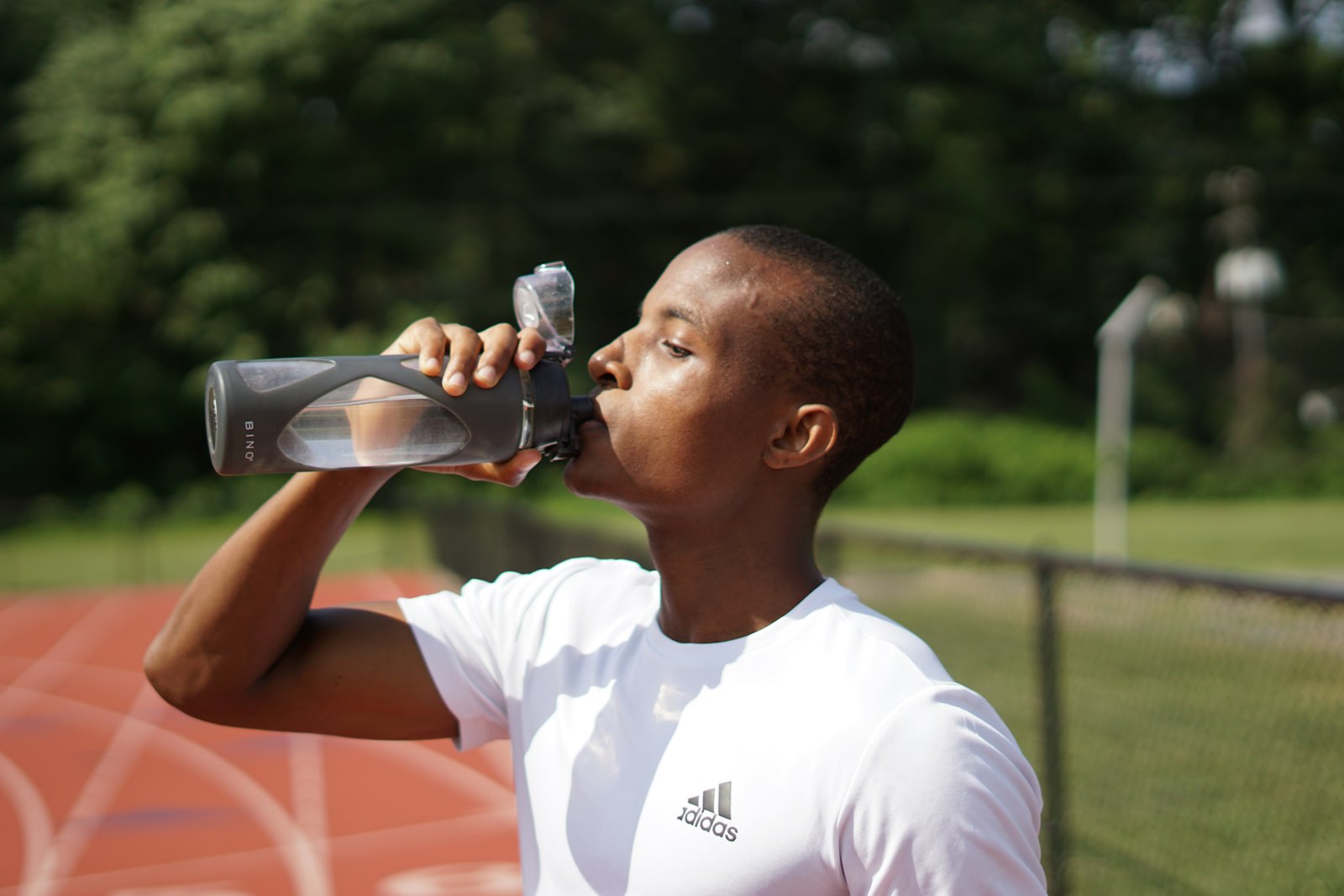
The Signs Your Hydration Strategy Is Missing Sodium
Plain thirst isn't a reliable signal here — sodium depletion shows up differently than simple dehydration. Watch for a cluster of symptoms rather than any single one: persistent headache despite drinking water, muscle cramping during or after exercise, unusual fatigue that water alone doesn't fix, lightheadedness when standing up, and a kind of puffy-yet-depleted feeling where you've been drinking plenty but still feel off.
If you recognize that pattern — especially after a hard sweat session — the fix usually isn't more water. It's water paired with sodium, and often a little potassium and magnesium alongside it, since all three work together in the same fluid-balance system.
| Scenario | Approximate Sodium Need | Practical Approach |
|---|---|---|
| Light daily activity, mild climate | No extra sodium typically needed | Rely on normal dietary intake |
| Moderate exercise, 30-60 min | 200-400mg during/after session | Electrolyte tablet or diluted sports drink |
| Endurance training, 90+ min or heat | 500-1000mg+ per hour of heavy sweat | Electrolyte drink mix with higher sodium content |
| Keto/low-carb adaptation phase | Extra 1000-2000mg daily | Add broth, salted water, or electrolyte supplement |
| Illness with fluid loss (GI upset) | Oral rehydration-style ratios | Electrolyte solution formulated for rehydration |
Portable Sodium for Training Days
Effervescent electrolyte tablets dissolve into any water bottle and deliver a measured dose of sodium plus potassium and magnesium — easy to toss in a gym bag or glovebox.
See Electrolyte Tablets →Getting the Balance Right Without Overdoing It
More sodium is not automatically better. Overloading on sodium without adequate water can actually worsen dehydration by pulling fluid out of cells and into the bloodstream, which your kidneys then try to excrete — along with the water you were trying to retain. The goal is matching sodium intake to fluid intake and actual losses, not maximizing either one in isolation.
A useful mental model: think in ratios, not absolutes. Commercial electrolyte products are generally formulated around 300-700mg sodium per liter of water, which mirrors what research on rehydration solutions has found effective for most active adults. Homemade mixes using salt and water can work too, but precision matters more than people assume — too little does nothing, too much tastes unpleasant and can cause GI upset mid-workout.
Reading Labels Like It Matters
Not all 'electrolyte' products are created equal. Some sports drinks lean heavily on sugar and barely register on sodium, while some trendy electrolyte powders go the opposite direction and pack aggressive sodium doses meant for extreme endurance athletes, not someone doing a 45-minute gym session. Check the actual milligrams per serving, not just the marketing claim of 'electrolytes included,' and match it to the scenario table above.
A Steady Sodium Habit for Everyday Training
Low-sugar electrolyte drink mixes with clearly labeled sodium, potassium, and magnesium content make it simple to build a consistent daily hydration routine without overthinking every bottle.
Browse Hydration Mixes →The Bottom Line on Sodium and Hydration
Sodium isn't a hydration hack or a trend — it's the mechanism your body has relied on for fluid balance since long before electrolyte drinks existed. For most people on most days, food provides enough. For anyone sweating hard, training long, adapting to low-carb eating, or recovering from illness, deliberately pairing sodium with water is what actually moves fluid where it needs to go.
The practical takeaway for 2026: stop treating water intake as the only hydration metric. Track how much you sweat, notice the symptom patterns that point to sodium depletion, and choose products with transparent, appropriately dosed sodium content for your specific situation rather than defaulting to whatever's marketed hardest.
From across the network
More from the network on related topics: VitaminSupplyCenter · TrainLikeAlpha · EliteRecoveryLab.