By the time you feel thirsty, you're already behind. Here's how to recognize the subtle, often-missed signs of dehydration at every stage, plus the practical habits and tools that keep you ahead of it.
Why Dehydration Sneaks Up On You
Thirst is a lagging indicator. By the time your brain fires off that signal, you've typically already lost close to 1-2% of your body water — enough to measurably dent concentration, mood, and physical output. That's the uncomfortable truth behind most dehydration: it rarely announces itself loudly until it's already affecting how you feel and perform.
Understanding the early, subtle signs gives you a window to correct course before you hit the point of headaches, dizziness, or a full afternoon crash. This guide breaks down what dehydration actually looks like in the body, stage by stage, and what to do about it.
How Your Body Signals Fluid Loss
Dehydration happens when fluid output — sweat, urine, respiration, even tears — outpaces intake. Your body is remarkably good at compensating for small deficits, which is exactly why mild dehydration is so easy to miss. Blood vessels constrict slightly, the kidneys conserve water, and you carry on, mildly impaired, without realizing it.
The signs below generally escalate in a predictable order, from barely noticeable to unmistakable. Learning to catch yourself in the early stages is the real skill here.
- Early: dry mouth, subtle fatigue, slightly darker urine, mild headache
- Moderate: noticeable thirst, dizziness on standing, reduced urine output, dry skin that's slow to bounce back when pinched
- Severe: rapid heartbeat, confusion, very dark or minimal urine, sunken eyes, extreme fatigue
The Signs Most People Miss
Beyond the obvious thirst-and-dry-mouth combo, several everyday symptoms get misattributed to stress, poor sleep, or 'just a slow day' when dehydration is the actual culprit.
Afternoon brain fog is one of the most common. Even mild dehydration has been associated with reduced short-term memory and attention in research settings. Headaches are another frequent offender — the brain can temporarily shrink slightly from fluid loss, pulling on surrounding tissue. Muscle cramps, especially during or after exercise, often trace back to both water and electrolyte depletion rather than water alone.
- Persistent low energy that caffeine doesn't fully fix
- Headaches that show up mid-afternoon or after exercise
- Dry or less elastic-feeling skin
- Bad breath (lower saliva production reduces its natural cleansing effect)
- Constipation or irregular digestion
- Unusually strong food cravings, particularly salty snacks
The Urine Color Check: A Practical At-Home Gauge
One of the simplest, most accessible self-checks is urine color. It's not perfectly precise — certain supplements and medications can skew it — but as a general daily barometer, it's hard to beat for convenience.
| Urine Color | Likely Hydration Status | Suggested Action |
|---|---|---|
| Pale straw / light yellow | Well hydrated | Maintain current intake |
| Yellow | Mildly under-hydrated | Add a glass of water soon |
| Dark yellow | Moderately dehydrated | Increase fluids over the next few hours, consider electrolytes |
| Amber or brown | Significantly dehydrated | Rehydrate promptly; add electrolytes if sweating heavily |
| Very dark / minimal output | Possible severe dehydration | Seek medical guidance if symptoms persist |
Who Needs To Pay Closer Attention
Dehydration risk isn't evenly distributed. Some people run a structurally higher baseline risk and benefit from being more proactive rather than reactive about fluid and electrolyte intake.
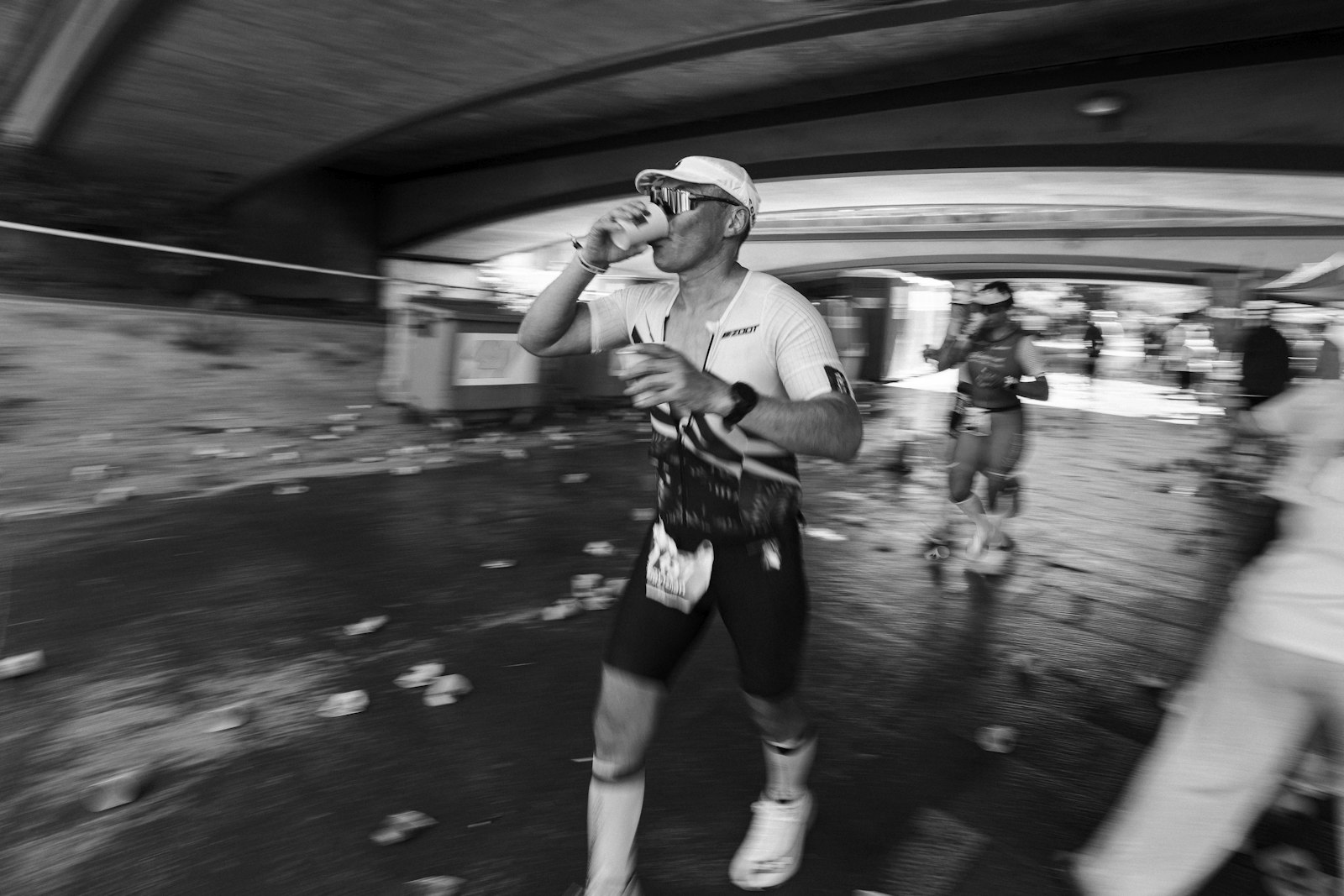
- Endurance athletes and anyone training in heat or humidity
- Older adults, whose thirst signaling tends to blunt with age
- People on certain medications (diuretics, some blood pressure drugs)
- Anyone recovering from illness involving vomiting, diarrhea, or fever
- Frequent flyers — cabin air is notoriously drying
- Those in high-altitude or very dry climates
Rebuild What Sweat Takes Away
A well-formulated electrolyte blend with sodium, potassium, and magnesium replaces what plain water alone can't — especially useful after workouts, heat exposure, or illness.
Shop Electrolyte Formulas →Water Alone Isn't Always Enough
A common mistake is assuming any fluid deficit can be solved by chugging plain water. In cases of significant sweat loss — from exercise, heat, or illness — you're not just losing water, you're losing sodium, potassium, and magnesium. Replacing volume without electrolytes can actually dilute remaining sodium levels further, which is part of why some people still feel off after drinking plenty of water.
This is where electrolyte-formulated drinks, tablets, or powders earn their place. Look for products listing actual sodium and potassium content per serving rather than vague 'hydration blend' claims, and check for added sugars if that's a concern for your routine.
Track Intake Without The Guesswork
A marked hydration bottle or portable TDS/electrolyte tracker makes it far easier to hit consistent daily fluid targets instead of relying on memory or thirst alone.
Browse Hydration Trackers →Simple Daily Habits That Prevent The Early Signs
Prevention is far less disruptive than correction. A few consistent habits go a long way toward keeping you out of the early-warning zone entirely.
- Start the day with a full glass of water before coffee
- Keep a marked bottle visible at your desk or workspace as a passive reminder
- Add electrolytes on days with heavy sweat, travel, or alcohol
- Eat water-dense foods — cucumber, watermelon, citrus, leafy greens
- Check urine color once or twice a day as a quick gut-check
- Increase intake proactively before long flights, hikes, or workouts rather than reacting to thirst
Make Electrolytes A No-Brainer Habit
Single-serve electrolyte packets are an easy way to build a consistent rehydration habit without measuring or mixing guesswork.
Shop Electrolyte Packets →When To Take It Seriously
Mild dehydration usually resolves within an hour or two of steady fluid and electrolyte intake. But certain signs warrant more than a glass of water — rapid heartbeat, confusion, fainting, inability to keep fluids down, or minimal urine output for an extended stretch are signals to seek medical attention rather than self-treat.
For everyone else, the goal in 2026 isn't perfection — it's catching the early, subtle signs (the fog, the low-grade headache, the darker-than-usual urine) before they compound into a lost afternoon. Small, consistent adjustments beat reactive chugging every time.
From across the network
More from the network on related topics: VitaminSupplyCenter · TrainLikeAlpha · EliteRecoveryLab.