Your first 30 minutes awake set the tone for hydration all day — here's how to choose electrolyte products that actually work, and the label mistakes that quietly sabotage most morning routines.
Why Morning Hydration Deserves Its Own Strategy
After six to nine hours without water, you wake up in a mild fluid deficit every single day. Overnight respiration, perspiration, and urine production all pull water from your system while you sleep, and most people compound the problem by reaching for coffee before they've replaced any of it. Caffeine is a mild diuretic in people not accustomed to it, which means your first beverage of the day can either help you rehydrate or quietly deepen the deficit.
This guide breaks down what actually matters when you're choosing morning hydration products in 2026 — from electrolyte ratios to third-party testing — so you can build a routine around evidence rather than marketing claims.
What 'Good' Morning Hydration Actually Looks Like
Plain water is a fine start, but it's not always the fastest way to restore fluid balance, especially if you sweated heavily the night before, drink alcohol occasionally, or exercise early. The physiological goal is to restore both water and the electrolytes — sodium, potassium, magnesium — that regulate how much of that water your cells actually retain.
A well-formulated morning hydration product should support rapid rehydration without dumping excessive sugar or artificial stimulants into your system before you've eaten.
- Sodium in the 300–500mg range per serving to support fluid retention
- Potassium to balance sodium and support cellular hydration
- Low or no added sugar — look for under 5g per serving
- Magnesium, which many diets fall short on and which supports muscle and nerve function
- No proprietary blends that obscure actual electrolyte amounts
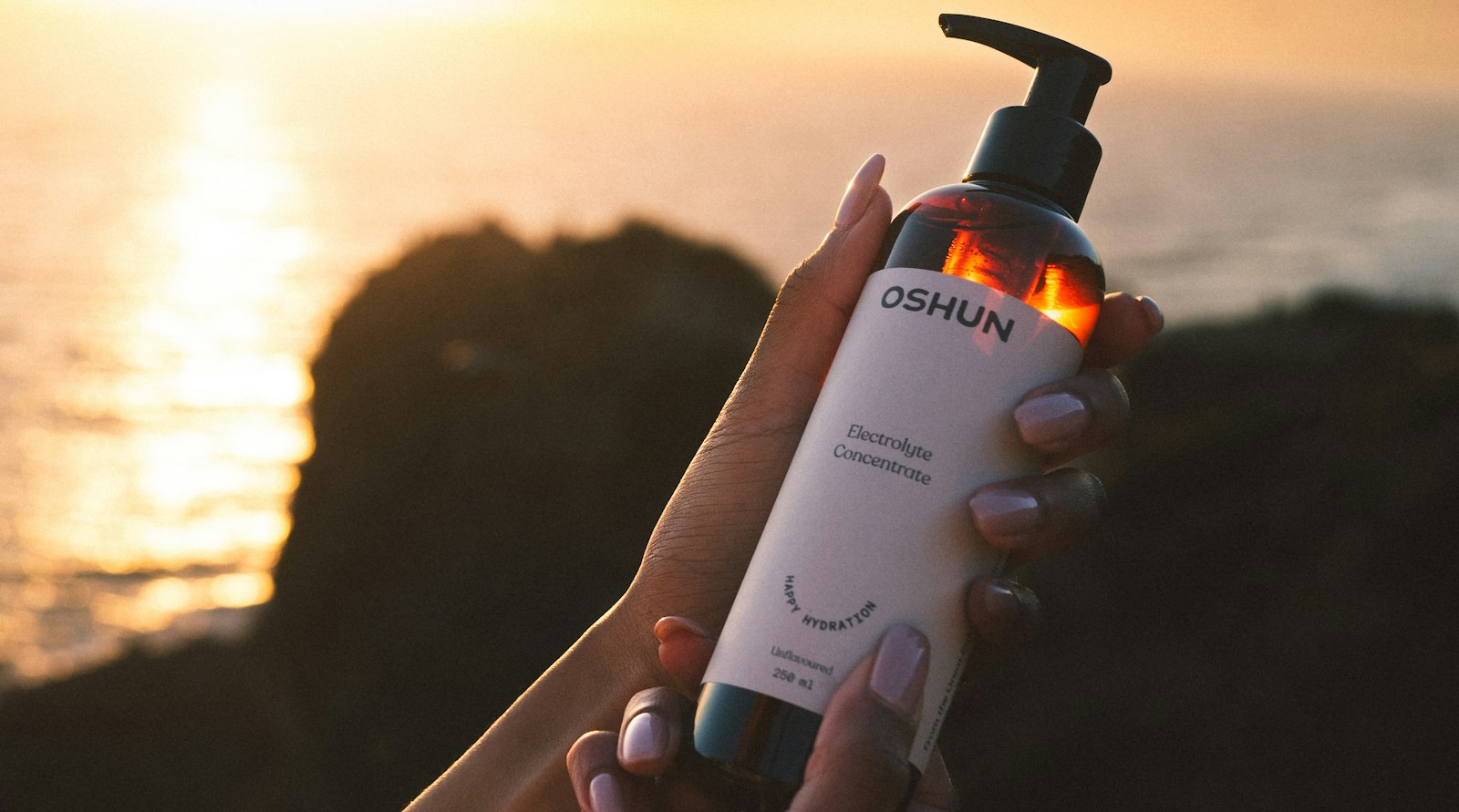
Reading Labels Like a Buyer, Not a Marketer
The hydration category is crowded with products that lean on bold packaging rather than transparent formulation. The single best habit you can build is checking the supplement facts panel before the front-of-package claims.
Look specifically for exact milligram amounts of sodium, potassium, and magnesium rather than vague terms like 'electrolyte blend.' Products that disclose precise amounts tend to be formulated by people who understand electrolyte physiology, while proprietary blends often exist to mask cheap or under-dosed ingredients.
| Quality Marker | Why It Matters | Red Flag Version |
|---|---|---|
| Disclosed electrolyte amounts | Lets you match intake to your needs and avoid overdoing sodium | 'Electrolyte blend' with no mg values |
| Low added sugar | Prevents a blood sugar spike before breakfast | 10g+ sugar per serving, often as first ingredient |
| Third-party testing | Confirms label accuracy and screens for contaminants | No testing certification mentioned anywhere |
| Simple ingredient list | Reduces exposure to unnecessary fillers or dyes | Long list of artificial colors and sweeteners |
| Reasonable sodium-to-potassium balance | Mimics how the body naturally regulates fluid | Sodium-heavy with little to no potassium |
Common Morning Hydration Mistakes
Even well-intentioned routines can undercut themselves. These are the mistakes we see most often when people try to fix their morning hydration.
- Drinking coffee before any water, which can compound overnight fluid loss
- Choosing a sugary sports drink meant for hour-long workouts, not everyday rehydration
- Assuming more electrolytes is always better — excess sodium without adequate water intake can backfire
- Ignoring magnesium, which is harder to get from diet alone and supports sleep quality the following night
- Treating flavored electrolyte powders as a substitute for actual water intake instead of a complement to it
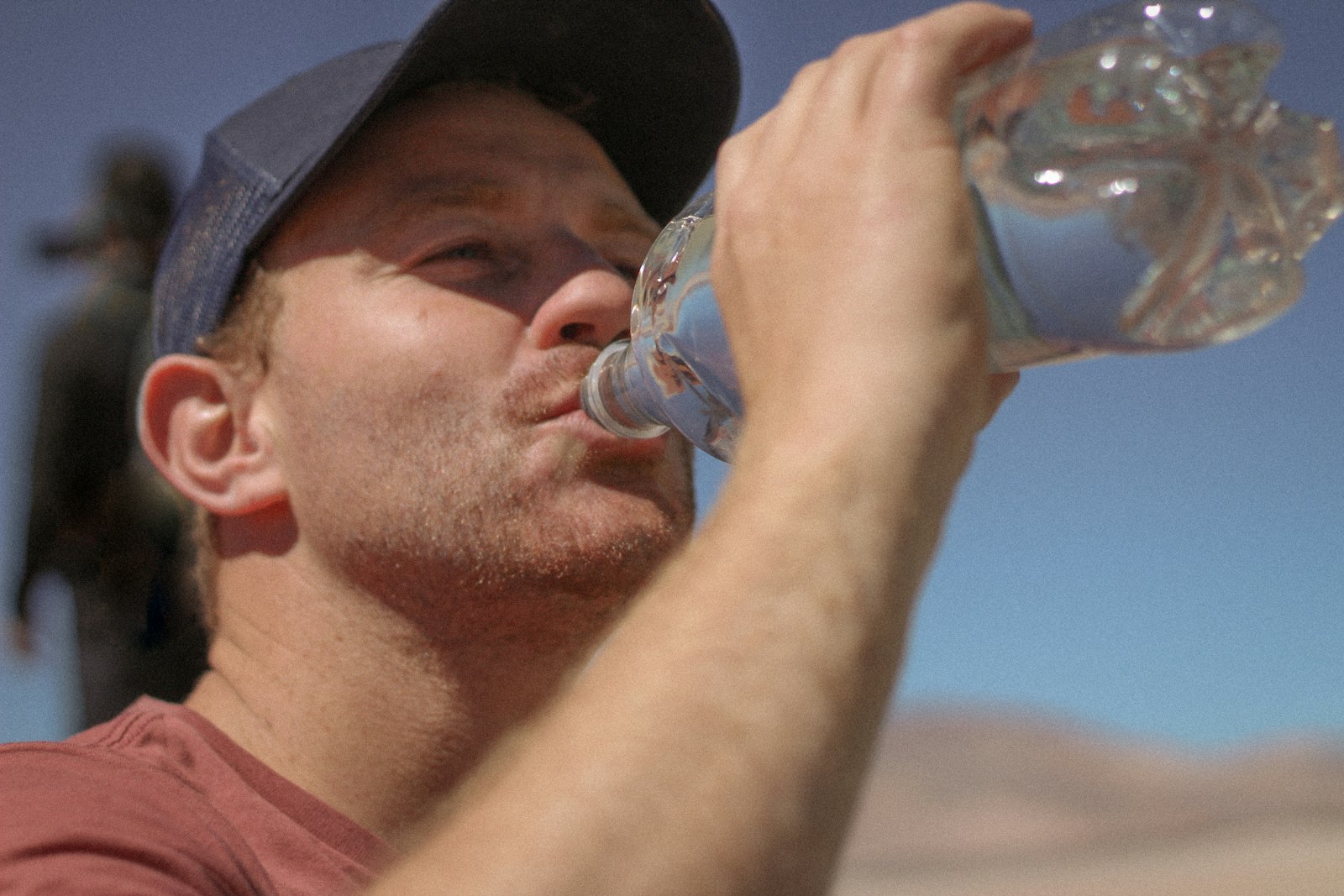
How Much Water Do You Actually Need First Thing?
There's no universal number, but a reasonable starting point many hydration-focused practitioners suggest is roughly 16 ounces of water within the first 30 minutes of waking, adjusted for body size, climate, and how much you sweat overnight. If you exercise fasted in the morning, front-loading electrolytes before that session — not just water — tends to matter more than most people expect.
Shop Clean-Label Electrolyte Formulas
iHerb carries a wide range of electrolyte powders and hydration mixes with transparent supplement facts panels, making it easy to compare sodium, potassium, and magnesium content side by side.
Browse on iHerb →Building a Morning Hydration Stack
Rather than relying on a single product, consider a simple two-step stack: a plain water base to restore volume, followed by a targeted electrolyte formula matched to your activity level and sweat rate. This separates the job of rehydrating from the job of replacing electrolytes, which gives you more control over sugar and sodium intake than an all-in-one flavored drink often allows.
If you train fasted or live in a hot climate, consider adding a second electrolyte serving mid-morning rather than front-loading everything at once — spreading intake tends to improve absorption and reduce the urge to over-drink plain water, which can dilute sodium levels in extreme cases.
Compare Top-Rated Hydration Multipliers
Browse best-selling electrolyte drink mixes and hydration multipliers on Amazon, filtered by customer reviews and verified purchase ratings.
Shop Amazon →Track Intake With a Marked Water Bottle
A time-marked or large-capacity reusable bottle makes it far easier to hit your morning hydration target without guesswork.
Shop Amazon →A Simple Buyer's Checklist for 2026
Before adding any new product to your morning routine, run it through this short checklist. It filters out most of the underperforming or overhyped options on the market.
- Does the label disclose exact electrolyte amounts, not just a blend name?
- Is added sugar under 5g per serving?
- Is there third-party testing or a quality certification listed?
- Does the sodium-to-potassium ratio look balanced rather than sodium-only?
- Would you still buy it if the packaging were plain?
The Bottom Line
Morning hydration is less about finding one miracle product and more about understanding the basic physiology of fluid and electrolyte balance, then choosing formulas that are transparent about what's actually inside. Prioritize disclosed electrolyte amounts, sensible sugar levels, and third-party testing, and treat flavored mixes as a complement to water rather than a replacement for it.
Small, consistent adjustments to your first 30 minutes awake compound over months — better energy, fewer afternoon slumps, and a more stable foundation for whatever the rest of your day requires.
From across the network
More from the network on related topics: VitaminSupplyCenter · TrainLikeAlpha · EliteRecoveryLab.