Microplastics have gone from a niche research topic to a kitchen-table worry in just a few years, and for good reason: studies have now found these particles in tap water, bottled water, sea salt, and even human blood and placental tissue. But separating solid science from headline panic matters if you're going to make a smart decision about your own water. Here's what microplastics actually are, how they get into your glass, and what — realistically — reduces your exposure.
What Microplastics Actually Are
Microplastics are plastic fragments smaller than 5 millimeters — ranging all the way down to nanoplastics measured in billionths of a meter. They come from two main sources: primary microplastics manufactured at that size (like microbeads once used in cosmetics, now largely banned in the U.S.) and secondary microplastics, which break off larger plastic items as they degrade from UV exposure, friction, or heat.
In drinking water specifically, the usual suspects are polyethylene (PE), polypropylene (PP), polystyrene (PS), and PET — the same polymers used in bottles, caps, synthetic textiles, tires, and plumbing components. They shed into water at every stage of the supply chain, from source to tap to the bottle on your counter.
How Microplastics Get Into Your Water
Water doesn't need to touch obvious plastic trash to pick up microplastic contamination. Research has traced several realistic pathways.
- Municipal supply: treatment plants aren't designed to filter particles this small, so microplastics from stormwater runoff, synthetic fiber laundry wastewater, and industrial discharge can pass through.
- Plumbing and fixtures: PVC and PEX piping, along with plastic fittings, can shed particles over years of water flow, especially with hot water.
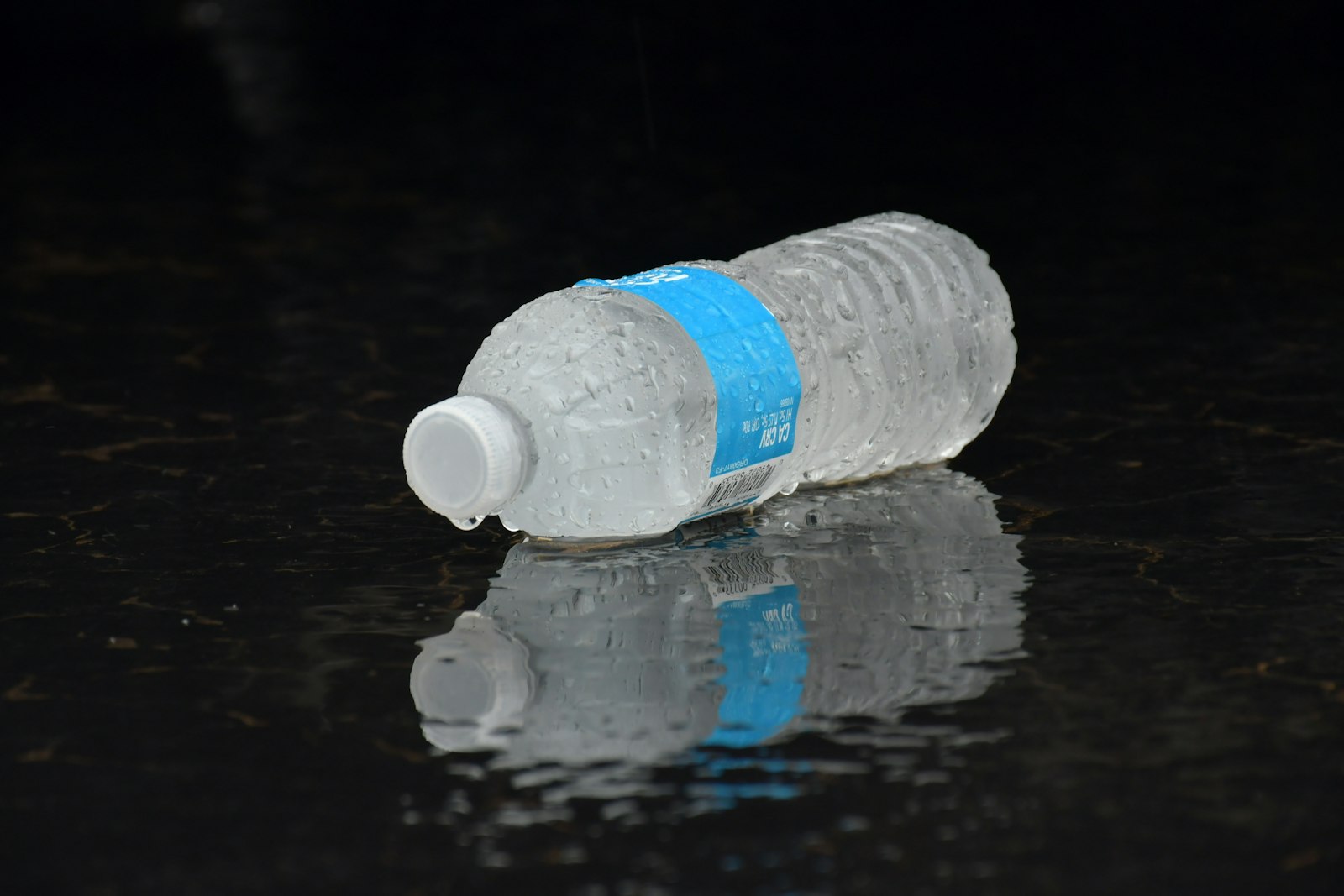
- Bottled water: multiple peer-reviewed studies have found bottled water often contains more microplastic particles per liter than tap water, largely from the bottle, cap, and bottling process itself — not the source water.
- Packaging and reheating: single-use plastic containers shed more particles when exposed to heat, agitation, or UV light, which is why a bottle left in a hot car is a worse offense than one in the fridge.
What The Science Says (And Doesn't)
Here's the honest state of the research in 2026: microplastics are measurably present in most water sources tested, but the health effects of long-term, low-dose ingestion are still being studied. Early research has linked microplastic exposure to inflammatory markers and has found particles in human tissue, but causal links to specific diseases in humans from water ingestion alone haven't been firmly established.
That uncertainty isn't a reason to ignore the issue — it's a reason to apply sensible precaution. Reducing unnecessary exposure costs little and has no downside, which is a different calculus than, say, an unproven supplement claim.
When You Should Actually Worry About This
Not every household needs to treat microplastics as a five-alarm emergency, but a few situations raise the stakes meaningfully.
- You drink primarily from single-use plastic bottles, especially ones stored in heat or sunlight
- Your home has older plastic plumbing or well water with no filtration
- You live near industrial or high-traffic areas where runoff and tire particulate are more concentrated
- You're pregnant, feeding an infant, or managing a household with young children, where minimizing unnecessary exposures is a reasonable precaution
- You've already invested in filtration for taste or chlorine and want to extend that same system to address particulates
Which Filtration Methods Actually Reduce Microplastics
Not all filters are created equal here. Carbon alone, without a fine particulate stage, won't catch the smallest plastic fragments. The filtration methods with the best evidence for reducing microplastic particle counts are:
- Reverse osmosis (RO): the most thorough option, with membranes fine enough to reject the vast majority of micro- and even some nanoplastic particles, along with dissolved contaminants.
- Sub-micron carbon block filters: many pitcher and under-sink filters now specify sub-micron (often 0.5 to 1 micron) pore sizes, which is small enough to catch a meaningful share of microplastic fragments, not just larger sediment.
- Gravity-fed multi-stage filters: popular for countertop use, these often combine a sediment pre-filter with activated carbon and sometimes a final polishing stage — check the micron rating specifically rather than relying on marketing language.
Check Sub-Micron Pitcher Filters
Look for pitcher and dispenser filters with a stated sub-micron pore size — it's the detail that actually matters for microplastic reduction, not the brand name on the box.
Shop Filter Pitchers →Reading Filter Specs Without Getting Fooled
Marketing claims like 'purifies' or 'removes impurities' are unregulated and tell you almost nothing. What actually matters is the micron rating and whether a filter has been tested against NSF/ANSI standards — particularly NSF/ANSI 53 for particulate reduction and NSF/ANSI 58 for reverse osmosis systems.
A filter rated at 5 microns will remove visible sediment but miss most microplastic fragments. A filter rated at 0.5 microns or finer, or a true RO membrane, is doing meaningfully more work. If a product page doesn't list a micron rating at all, treat that as a red flag rather than an oversight.
| Filtration Type | Microplastic Reduction | Typical Setup |
|---|---|---|
| Basic carbon pitcher | Low — catches larger fragments only | Countertop pitcher |
| Sub-micron carbon block | Moderate to high | Pitcher, faucet-mount, or under-sink |
| Reverse osmosis (RO) | Highest available for home use | Under-sink or whole-home system |
| Gravity multi-stage countertop | Moderate to high, varies by stage rating | Countertop, no plumbing needed |
Explore Under-Sink RO Systems
For the most thorough reduction of microplastics and dissolved contaminants alike, a certified reverse osmosis system remains the gold standard for home water.
Browse RO Systems →Simple Habits That Reduce Exposure Without Buying Anything
Filtration is the highest-leverage fix, but a few free habits compound the effect. Favor glass, stainless steel, or well-maintained ceramic over plastic bottles and containers, especially for hot liquids. Avoid microwaving food in plastic containers, and let bottled water sit in cool, shaded storage rather than a hot car trunk or garage. Washing synthetic clothing less frequently, or using a laundry filter bag, also reduces the fiber load entering wastewater — a smaller but real contributor to the broader water cycle.
Switch To Glass Or Steel Bottles
Reducing plastic contact at the point of drinking is a simple, low-cost complement to filtration — pair a good filter with a non-plastic bottle for daily use.
Shop Hydration Essentials →The Bottom Line
Microplastics in water are a real, measurable phenomenon — not a myth, but also not yet a fully mapped health crisis. The practical response is proportionate: choose a filter with a documented sub-micron rating or true reverse osmosis membrane, cut back on single-use plastic bottles, and avoid unnecessary heat exposure to plastic containers. That combination addresses the exposure pathways that are actually within your control, without requiring you to panic over every glass of water you pour in 2026 and beyond.
From across the network
More from the network on related topics: VitaminSupplyCenter · TrainLikeAlpha · EliteRecoveryLab.