Most athletes think hydration means drinking more water — but performance, cramping, and endurance are actually governed by sodium balance, sweat rate, and timing. Here's what the science says you actually need, and when.
Why Athletes Need a Different Hydration Strategy
Sweat isn't just water loss. It's a fluid-and-electrolyte event that scales with heat, humidity, intensity, and your individual "salty sweater" profile. Lose enough sodium and fluid without replacing both, and you don't just feel thirsty — you lose power output, coordination, and the ability to regulate core temperature.
Research on exercise physiology consistently shows that a fluid deficit of just 2% of body weight can measurably reduce endurance performance and cognitive sharpness. For a 160-pound athlete, that's roughly 3.2 pounds of sweat — easily lost in under an hour of hard training in warm conditions.
How Hydration Actually Works During Exercise
When you sweat, you lose water and electrolytes — primarily sodium, with smaller amounts of potassium, chloride, and magnesium. Sodium is the key player: it helps your body retain the fluid you drink, maintains blood volume, and supports nerve and muscle signaling.
Plain water alone can't fully replace what's lost. Drinking large volumes of water without electrolytes during prolonged sweating can dilute blood sodium levels — a real risk in endurance events lasting several hours. This is why sports science favors a fluid-plus-electrolyte approach rather than water alone for sessions over 60-90 minutes.
- Sodium: the primary electrolyte lost in sweat; drives fluid retention
- Potassium: supports muscle contraction and nerve function
- Magnesium: involved in energy metabolism, may reduce cramping
- Carbohydrate (in some formulas): fuels muscles and aids fluid absorption via co-transport
When Do You Actually Need Electrolytes?
Not every workout requires a dedicated hydration strategy. A 30-minute walk or light gym session in a climate-controlled room usually doesn't demand more than water. But several scenarios shift the calculus.
- Training or competing for more than 60-90 minutes continuously
- Exercising in heat, humidity, or direct sun
- Two-a-day practices or back-to-back training blocks
- Heavy, visible sweating or salt residue on skin/clothing (a sign of a "salty sweater")
- Endurance events: marathons, triathlons, long rides, hikes
- Any session where you feel unusually fatigued, foggy, or crampy despite adequate fluid
Build Your Hydration Stack
iHerb carries a wide range of electrolyte powders and capsules with transparent sodium, potassium, and magnesium dosing — useful for comparing formulas before race day.
Shop Electrolytes on iHerb →Pre-, During-, and Post-Workout Hydration
Starting a session already dehydrated sets you up to fail before you begin. Many athletes benefit from a modest pre-load — roughly 16-20 oz of fluid with a pinch of sodium in the hours before activity, rather than chugging water right before the warm-up.
During Training
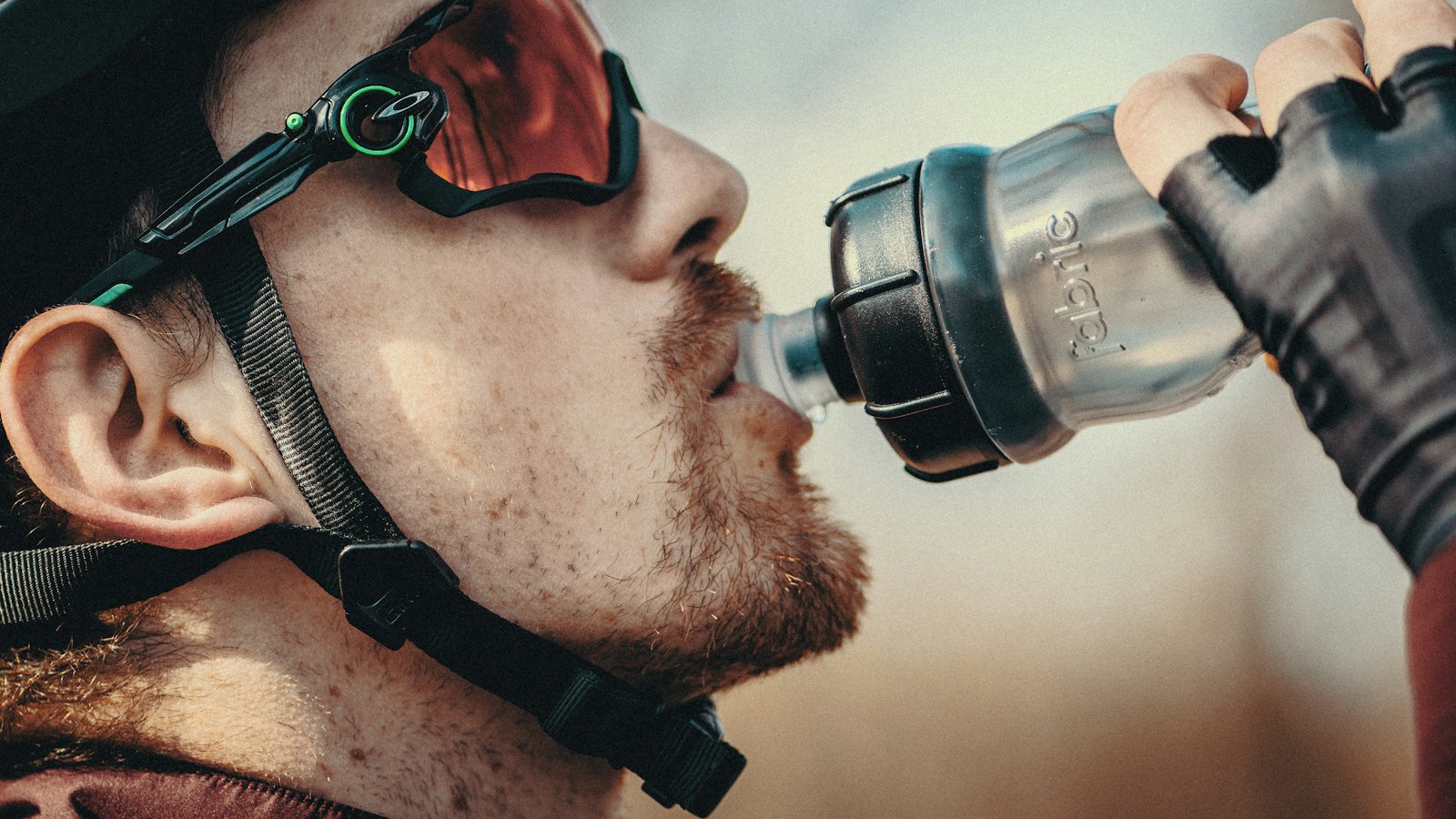
For sessions under an hour, water is typically sufficient. Beyond that, a sports drink or electrolyte mix providing both sodium and carbohydrate can help maintain blood volume and delay fatigue. Sip consistently rather than waiting until thirst hits — thirst is a lagging indicator of deficit.
After Training
Rehydration is about replacing volume and sodium, not just drinking until thirst disappears. A general guideline used in sports science is replacing about 1.5x the fluid weight lost through sweat, since some of what you drink is lost again through urine before full rehydration occurs.
Stock Up on Ready-to-Mix Hydration
Compare single-serve electrolyte packets and tubs by sodium content, sugar level, and flavor — ideal for gym bags, race kits, and travel.
Browse Electrolyte Mixes →| Body Weight Lost | Approx. Fluid Deficit | Suggested Action |
|---|---|---|
| Under 1% | Minimal | Water is likely sufficient |
| 1-2% | Mild deficit | Add electrolytes, monitor performance |
| 2-3% | Moderate deficit | Prioritize electrolyte replacement, slow fluid intake |
| Over 3% | Significant deficit | Review pacing, clothing, and fluid strategy; consider medical input for extreme cases |
Common Mistakes Athletes Make
- Relying on thirst alone, which lags behind actual fluid loss
- Overhydrating with plain water during long events, diluting sodium levels
- Ignoring electrolytes during cool-weather training, where sweat loss is still significant
- Using the same hydration plan for every session regardless of duration or heat
- Waiting until race day to test a new hydration product instead of practicing in training
Check What's Actually Going On Internally
If you're hydrating diligently but still cramping, fatiguing early, or feeling off, at-home lab testing can help rule out underlying electrolyte or metabolic factors worth discussing with a provider.
Explore At-Home Testing →Choosing a Hydration Product
Not all electrolyte products are built the same. Many consumer sports drinks lean heavily on sugar and light on sodium — fine for casual exercisers, but under-dosed for serious training. Look for products that list actual milligram amounts of sodium and potassium rather than vague "electrolyte blend" labeling.
A useful baseline for longer or hotter sessions is 300-700mg of sodium per liter of fluid, adjusted upward for heavy sweaters. Carbohydrate content matters too: 6-8% carbohydrate concentration is generally well tolerated during exercise without causing GI distress.
Travel-Friendly Electrolyte Tablets
Effervescent and chewable electrolyte tablets offer precise, portable dosing for training, travel, or hot-weather work — easy to compare by sodium content per tablet.
Compare Electrolyte Tablets →The Bottom Line
Hydration for athletes isn't about drinking as much water as possible — it's about matching fluid and electrolyte intake to what you're actually losing, based on duration, heat, and your individual sweat profile. Test your sweat rate, choose a product with transparent sodium dosing, and treat hydration as a trainable skill rather than an afterthought heading into 2026 competition season.
From across the network
More from the network on related topics: VitaminSupplyCenter · TrainLikeAlpha · EliteRecoveryLab.