Sweat harder, lose more than water—sodium, potassium, and magnesium all leave with it, and replacing them wrong can cost you the workout, the race, or the recovery. Here's how to buy hydration products like an athlete who actually reads the label.
Why Generic Water Isn't Enough for Serious Training
When you sweat, you lose far more than water. Sodium, potassium, magnesium, and chloride all exit through your pores, and if you're training hard for more than 60 minutes, plain water alone won't replace them fast enough to keep you performing at your best.
This is why athletes at every level—from weekend warriors to competitive endurance racers—have shifted toward purpose-built hydration products. The right formula does two jobs at once: it replaces fluid volume and restores the electrolyte balance your muscles and nervous system depend on.
The Core Features That Actually Matter
Not all hydration products are created equal. Before you buy, look past the flashy packaging and check for these functional markers.
- Sodium content of 300-700mg per serving for real sweat replacement
- Potassium and magnesium included, not just sodium alone
- Low or zero added sugar, with carbohydrate ratios matched to activity duration
- Third-party testing or NSF Certified for Sport status if you compete
- Clean ingredient panel—no proprietary blends hiding actual dosages
Sodium: The Number One Marker to Check
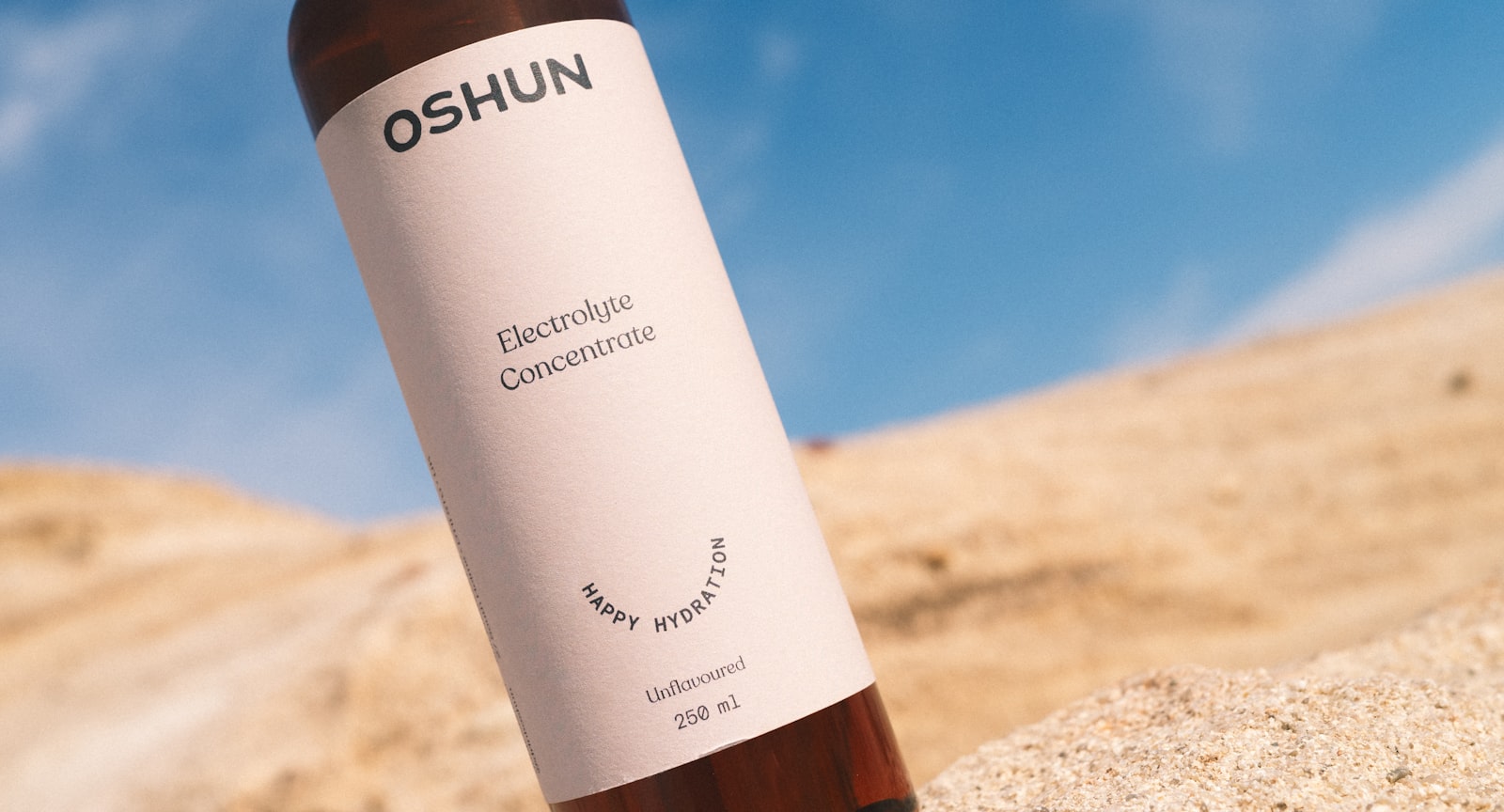
Sodium is the electrolyte lost in the greatest quantity through sweat, and it's the one most generic sports drinks under-deliver. A serving with under 200mg of sodium is built for casual sipping, not for athletes losing a liter or more of sweat per hour in heat or humidity.
Carbohydrates: Match the Dose to the Distance
Short workouts under an hour rarely need added carbohydrate. But if you're pushing past 90 minutes, a moderate carb ratio (roughly 30-60g per hour) helps maintain blood glucose and delays fatigue. Buying a high-sugar mix for a 30-minute gym session is a common and costly mistake.
Compare Clean-Label Electrolyte Mixes
iHerb carries a wide range of third-party-tested electrolyte powders and capsules with transparent sodium and magnesium dosing—ideal for athletes who read labels closely.
Shop iHerb Hydration →
Quality Markers Worth Paying For
Once you've confirmed the electrolyte math checks out, quality separates the good products from the average ones. Premium formulas typically use multiple magnesium forms (like magnesium glycinate for better absorption), include chloride and trace minerals often left out of budget mixes, and avoid artificial dyes that can trigger GI distress mid-workout.
Look for brands that publish batch testing results or hold NSF Certified for Sport status. This matters most for competitive athletes subject to drug testing, but it's also a solid proxy for manufacturing quality across the board.
| Feature | Casual Hydration Drink | Athlete-Grade Formula |
|---|---|---|
| Sodium per serving | <200mg | 300-700mg |
| Added electrolytes | Sodium only | Sodium, potassium, magnesium, chloride |
| Sugar content | High, unmeasured | Low or dosed to activity length |
| Testing transparency | Rarely disclosed | Third-party or NSF certified |
| Format options | Bottled drink only | Powders, capsules, tablets, chews |
Format Matters More Than You'd Think
Powders mixed into a bottle are the most cost-effective and customizable option, letting you control concentration based on heat and sweat rate. Capsules and tablets are ideal for athletes who don't want extra fluid volume—useful during ultra-distance events where stomach comfort is a limiter. Effervescent tablets split the difference, offering measured dosing with the convenience of just adding water.
Browse Top-Rated Electrolyte Powders
Compare bestselling electrolyte powders and hydration tablets with verified reviews from real athletes, side by side in one place.
Shop on Amazon →Mistakes That Undercut Your Hydration Strategy
Even athletes who buy quality products often sabotage their own results with avoidable habits.
- Waiting until you feel thirsty—thirst lags behind actual fluid loss by 1-2%
- Using the same formula for a 20-minute jog and a 3-hour ride
- Ignoring sweat rate testing (weigh yourself before/after a session to estimate loss)
- Overloading on plain water without electrolytes, risking dilutional hyponatremia in long events
- Choosing flavor over function, then under-dosing to avoid an unpleasant taste
How to Build a Simple Hydration Plan
Start by weighing yourself before and after a typical hard session. Each pound lost roughly equals 16oz of fluid you need to replace, plus electrolytes proportional to your sweat rate and salt loss (heavier, saltier sweaters need more sodium per liter). From there, match your product format and dosing schedule to the actual length and intensity of your training—not what worked for someone else's Instagram post.
Find Portable Hydration Tablets & Chews
For travel days, races, or minimalist training kits, compact hydration tablets deliver measured electrolytes without the bulk of a full tub of powder.
Compare Options →The Bottom Line
The best hydration product for athletes isn't the one with the boldest marketing—it's the one with a transparent, well-dosed electrolyte profile that matches your actual sweat loss and training demands. Check the sodium number first, confirm potassium and magnesium are present in meaningful amounts, and choose a format that fits how and where you train.
Get those fundamentals right, and hydration stops being an afterthought and becomes one of the simplest, most reliable performance upgrades available in 2026.
From across the network
More from the network on related topics: VitaminSupplyCenter · TrainLikeAlpha · EliteRecoveryLab.