Sleep quality hinges on hydration balance far more than most shoppers realize—too little water disrupts deep sleep, too much causes fragmented nights. Here's how to choose electrolytes, bedside bottles, and tracking tools that actually support rest instead of undermining it.
Why Hydration Quietly Controls Your Sleep Quality
Sleep and hydration status are more tightly linked than most people realize. Even mild dehydration—a 1-2% drop in body water—raises cortisol and vasopressin, both of which interfere with the deep, slow-wave sleep stages responsible for physical recovery. On the flip side, drinking too much water right before bed leads to fragmented sleep from nighttime bathroom trips, which resets your sleep cycle and can lower total REM time.
This guide breaks down what actually matters when you're shopping for hydration tools aimed at better sleep: electrolyte formulas, bedside hydration systems, and tracking tools, plus the quality markers that separate genuinely useful products from marketing noise.
The Core Features That Matter
Not every hydration product is built with sleep in mind. When you're evaluating electrolyte mixes, bedside bottles, or wearable trackers, focus on these functional traits rather than flashy packaging.
- Low-to-moderate sodium formulas for evening use (high-sodium blends are better suited for daytime or post-workout hydration)
- Magnesium glycinate or magnesium citrate inclusion, since magnesium supports GABA activity and muscle relaxation before sleep
- Minimal or zero added sugar—sugar spikes can disrupt the natural melatonin release window
- Accurate volume markings on bedside bottles or carafes so you're not guessing intake
- Leak-proof, single-hand-operable lids for half-asleep 2 a.m. sips
- Third-party tested electrolyte powders with a visible Certificate of Analysis (COA)
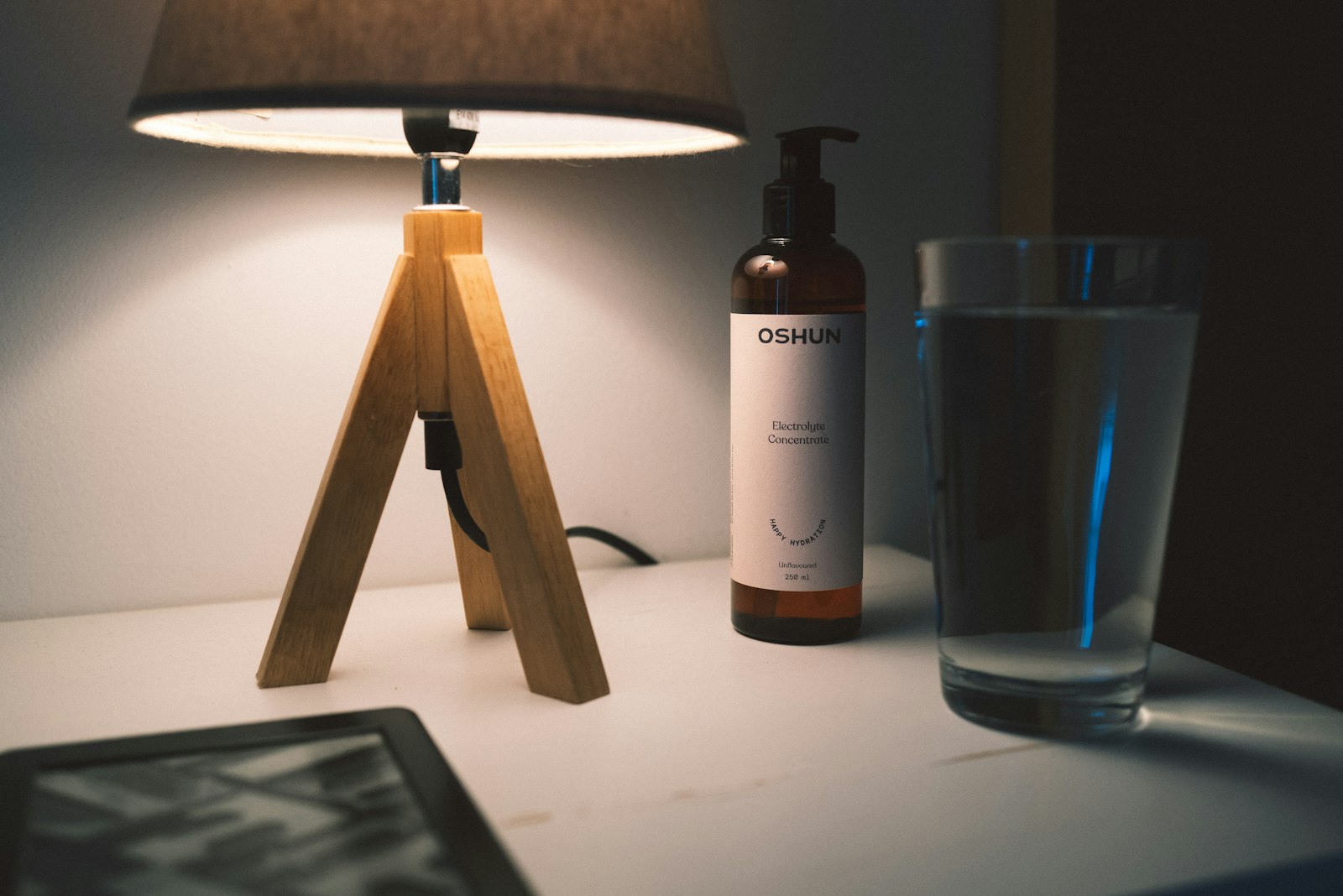
Electrolytes Before Bed: What the Ratios Should Look Like
A well-designed nighttime electrolyte blend is not simply a diluted version of a daytime sports drink. Look for formulas where sodium sits in the 150-300mg range per serving rather than the 500mg+ levels common in workout products. Potassium in the 150-250mg range and magnesium at 100-200mg are common in blends marketed for sleep support, often paired with small amounts of calcium.
Avoid products that lean heavily on caffeine-adjacent 'energy' additives or stimulant-laced adaptogens in their nighttime lineup—read the full label, not just the front panel.
Shop Sleep-Friendly Electrolyte Formulas
Browse third-party tested magnesium and electrolyte blends with transparent sodium and potassium ratios—filter by low-sugar and evening-use options.
View Electrolyte Options →Quality Markers Worth Paying For
Price alone doesn't indicate quality in the hydration category. These are the markers that actually correlate with a better product.
- Third-party testing (NSF, Informed Sport, or USP verification) for powders and capsules
- BPA-free, food-grade materials (Tritan copolyester or stainless steel) for bottles and carafes
- Transparent sourcing of magnesium type—glycinate and citrate are better absorbed than oxide
- Clear expiration dating and batch/lot numbers on electrolyte packaging
- For trackers: validated hydration or sleep-stage algorithms backed by published methodology, not just app-store claims

Bedside Hydration Systems: What a Good Setup Looks Like
A well-designed bedside hydration setup balances accessibility with restraint. The goal is enough water to soothe dry-mouth waking or a 3 a.m. thirst pang—without inviting a full glass that guarantees a bathroom trip.
Look for insulated carafes in the 12-16oz range rather than 32oz+ jugs. A smaller vessel naturally limits over-drinking before bed while still covering overnight sipping needs. Pair this with a nightstand-friendly design: wide base for stability, quiet-close lid, and no metallic aftertaste from prolonged water contact.
| Feature | Look For | Avoid |
|---|---|---|
| Bottle size (bedside) | 12-16oz insulated carafe | 32oz+ jugs that encourage overdrinking |
| Electrolyte sodium | 150-300mg per serving | 500mg+ (daytime/workout-oriented) |
| Magnesium form | Glycinate or citrate | Oxide (poor absorption) |
| Sugar content | 0-2g per serving | 5g+ added sugars |
| Testing | Third-party verified (NSF/USP) | No testing disclosed |
| Lid design | One-hand, leak-proof, quiet-close | Screw-tops requiring two hands |
Common Mistakes Buyers Make
Even well-intentioned hydration habits can backfire on sleep quality. These are the recurring mistakes worth avoiding.
- Chugging a large glass of water within 60-90 minutes of bedtime, guaranteeing a wake-up trip to the bathroom
- Choosing high-sodium electrolyte mixes designed for athletic performance and using them at night
- Ignoring magnesium form and buying the cheapest oxide-based supplement, which absorbs poorly
- Relying on wearable hydration estimates without cross-checking urine color or thirst cues
- Storing electrolyte powders in humid bathrooms, which degrades potency faster than label dating suggests
- Assuming 'natural flavors' means no added sugar—always check the nutrition panel
Insulated Bedside Water Carafes
Compact 12-16oz insulated carafes with quiet-close lids—sized to curb overnight bathroom trips while keeping water within reach.
Browse Carafes →Timing: When to Drink for Better Sleep
Most sleep-hydration research points to a practical window: front-load fluid intake in the afternoon and early evening, then taper 2-3 hours before bed. A small 4-6oz sip alongside any nighttime magnesium or electrolyte supplement is usually enough to aid absorption without overloading your bladder.
If you wake up thirsty most nights, that's often a signal your daytime hydration—not your nighttime routine—needs adjusting. Consistent daytime intake reduces the physiological 'catch-up' drinking that disrupts sleep.
Hydration-Aware Sleep Trackers
Compare wearables that log sleep stages alongside hydration reminders, helping you correlate water intake timing with sleep quality over weeks, not guesses.
Compare Trackers →Final Checklist Before You Buy
Before adding anything to your cart, run it through a quick filter: Is the sodium level appropriate for evening use? Is magnesium in an absorbable form? Is the bottle sized to prevent overdrinking? Is testing or sourcing disclosed anywhere on the label or product page?
Hydration for better sleep isn't about drinking more—it's about drinking smarter, with the right ratios, the right timing, and tools built for the nightstand rather than the gym bag.
From across the network
More from the network on related topics: VitaminSupplyCenter · TrainLikeAlpha · EliteRecoveryLab.