Most hydration advice stops at "drink more water" — but without enough sodium, extra water can actually leave you more depleted, not less. Here's how to evaluate electrolyte products like someone who understands the science, not just the marketing.
Why Sodium Is the Hydration Mineral Everyone Underrates
Water follows sodium. That single physiological fact explains why chugging plain water during long workouts, hot commutes, or illness can leave you feeling worse, not better. Sodium is the primary electrolyte that governs fluid balance outside your cells, and when you sweat, you lose meaningful amounts of it alongside potassium, chloride, and magnesium.
If you only replace the water and skip the sodium, you dilute the sodium concentration left in your blood. Your body responds by shutting off thirst and increasing urination, even though you're still net-depleted. This is why serious endurance athletes, people on low-carb or fasting protocols, and anyone recovering from a stomach bug are told to prioritize electrolytes, not just fluid volume.
What Actually Matters When Choosing a Sodium/Hydration Product
Not all electrolyte products are built the same, and most grocery store sports drinks are engineered for taste and shelf life, not physiological replacement. Here's what to actually evaluate.
- Sodium per serving: Look for 300–700mg for moderate activity, and up to 1,000mg+ for heavy sweaters, hot climates, or endurance events over 90 minutes.
- Sodium-to-sugar ratio: Many drink mixes bury a small electrolyte dose in 20+ grams of sugar. A good formula delivers electrolytes without needing a dessert's worth of carbs.
- Full electrolyte panel: Sodium is the headline mineral, but potassium, magnesium, and chloride all play supporting roles in fluid and muscle function.
- Format fit for your life: Capsules for convenience and travel, powders for cost-efficiency and flavor variety, ready-to-drink for zero prep.
- Third-party testing: Especially important for athletes subject to anti-doping rules, or anyone wary of proprietary blends.
The Sweat-Rate Reality Check
Sodium losses vary dramatically between individuals — some people are 'salty sweaters' who lose two to three times more sodium per liter of sweat than average. If you notice white, crusty residue on dark workout clothes after a session, that's a visual cue you likely fall into the higher-loss category and may benefit from a stronger electrolyte formula rather than a generic low-dose option.
Budget vs. Premium: What You're Actually Paying For
The price gap between a basic electrolyte powder and a premium capsule or performance blend isn't always marketing fluff — but it isn't always justified either. Understanding the real differences helps you spend where it counts.
- Budget tablets/powders: Typically deliver a modest sodium dose (100–250mg), rely on citric acid and sugar or artificial sweeteners for flavor, and skip magnesium or use poorly absorbed forms.
- Mid-tier formulas: Usually hit 300–500mg sodium, include a fuller electrolyte spectrum, and use cleaner sweeteners like stevia or monk fruit.
- Premium capsule systems: Built for salty sweaters and endurance athletes — higher sodium per serving, added trace minerals, no need for water mixing, and often third-party certified for sport.
- Premium RTD (ready-to-drink) lines: Convenience-priced, but you're paying for consistency, packaging, and zero prep time — useful for travel or race-day simplicity.
| Format | Typical Sodium/Serving | Best For | Watch Out For |
|---|---|---|---|
| Budget powder/tablet | 100–250mg | Casual gym sessions, daily hydration top-up | Added sugars, low magnesium |
| Mid-tier mix | 300–500mg | Runners, cyclists, hot-weather commuters | Flavor artificial sweeteners |
| Premium capsules | 500–1000mg+ | Endurance athletes, salty sweaters, keto/fasting | Higher cost per serving |
| Ready-to-drink | 200–400mg | Travel, race day, no-mix convenience | Lower sodium relative to price |
Matching the Product to the Person
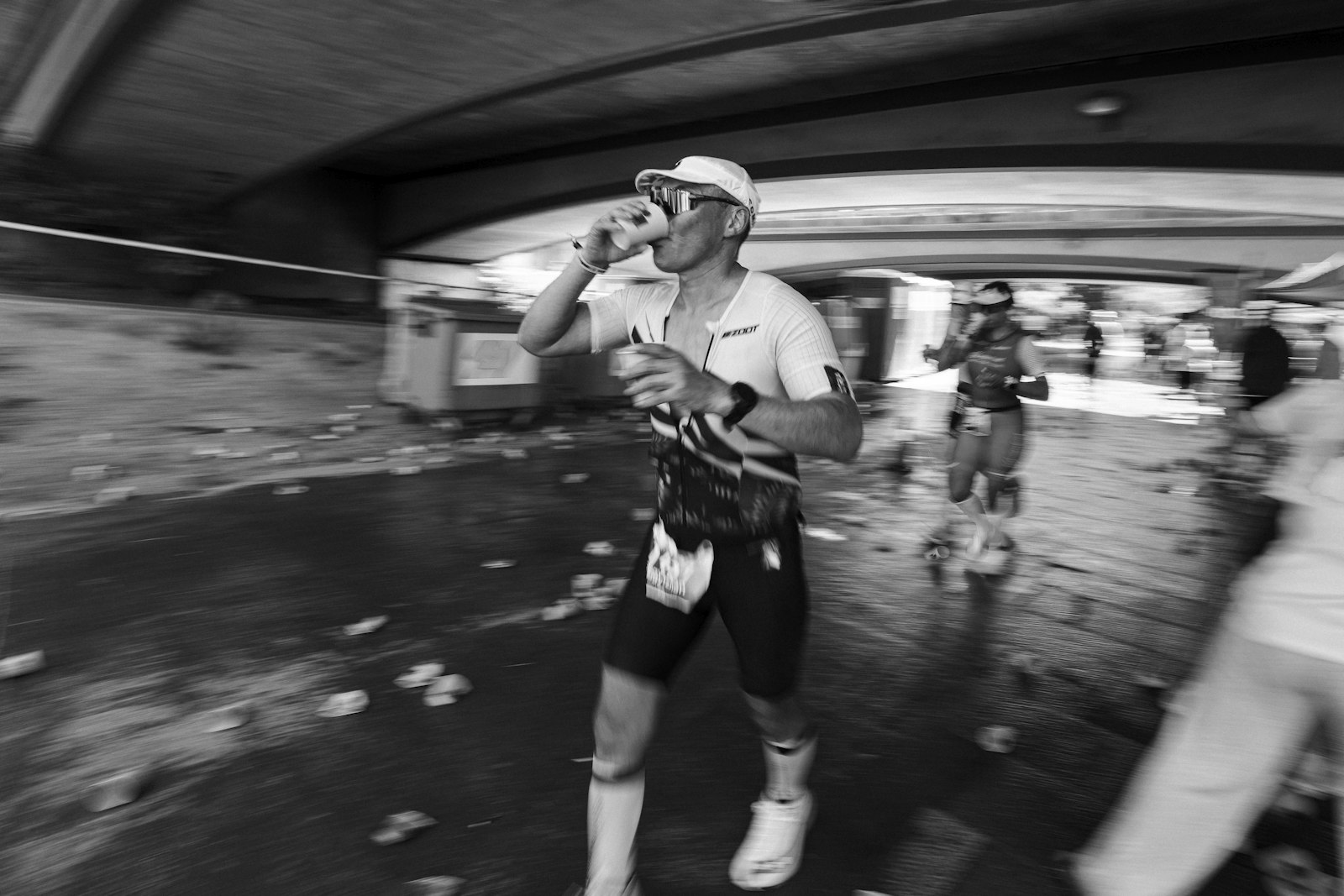
A desk-bound professional who walks 6,000 steps a day in air conditioning has fundamentally different sodium needs than a trail runner training for a summer ultramarathon. Treating hydration as one-size-fits-all is where most people go wrong.
If you're active 30–45 minutes most days in moderate climates, a mid-tier electrolyte powder mixed into one bottle of water is usually sufficient. If you train for 90+ minutes, live somewhere hot and humid, or follow a low-carb/keto or intermittent fasting approach (which naturally lowers insulin and increases sodium excretion), a higher-sodium capsule or powder designed for electrolyte replacement becomes far more relevant.
Start With a Clean, Full-Spectrum Formula
iHerb stocks a wide range of third-party-tested electrolyte powders and capsules with transparent sodium, potassium, and magnesium dosing — ideal for comparing labels side by side before you commit.
Shop Electrolyte Formulas →Reading Labels Like a Pro
Marketing copy on hydration products is often vague — words like 'balanced' or 'optimal' mean nothing without numbers. Flip the package and check the Supplement Facts panel directly.
Look specifically for milligrams of sodium (not just 'electrolyte blend' totals), the source of magnesium (citrate and glycinate are generally better absorbed than oxide), and total added sugar per serving. A product boasting 'electrolytes' with under 100mg of sodium and 15g of sugar is prioritizing taste over function.
Compare Everyday Hydration Powders
Browse highly-rated electrolyte powder tubs and stick packs with transparent sodium content — useful for building a baseline daily hydration habit without overspending.
Browse Electrolyte Powders →Common Mistakes to Avoid
Even well-intentioned hydration strategies can backfire. Watch for these recurring errors.
- Over-hydrating without electrolytes, which dilutes blood sodium and can cause hyponatremia in extreme endurance cases.
- Assuming all 'electrolyte water' brands provide meaningful sodium — many deliver only trace amounts, well under 50mg.
- Ignoring magnesium and potassium while fixating only on sodium — full mineral balance matters for muscle and nerve function.
- Doubling up on salt tablets and electrolyte drinks without tracking total sodium intake, which can be unnecessary or excessive for lower-activity days.
Upgrade to Capsule-Based Electrolytes
For travel, race day, or anyone who dislikes mixing powders, capsule electrolyte systems offer precise, higher sodium dosing without flavoring, sugar, or water prep.
View Electrolyte Capsules →The Bottom Line
Choosing a sodium and hydration strategy isn't about finding the single 'best' product — it's about matching sodium dose, format, and mineral completeness to your actual sweat rate, climate, and lifestyle. Start by reading labels for real milligram amounts rather than vague claims, pick a format that fits how you actually move through your day, and adjust dosage upward if you train hard, sweat heavily, or follow a low-carb lifestyle.
A modest, transparent mid-tier powder is plenty for most people. Save the premium, high-sodium capsule systems for the days your body is genuinely asking for more.
From across the network
More from the network on related topics: VitaminSupplyCenter · TrainLikeAlpha · EliteRecoveryLab.