Thirst is a lagging indicator — by the time you feel it, you're already behind. Recognizing the early physical signs of dehydration and pairing them with the right monitoring tools can mean the difference between a sluggish afternoon and a genuine health risk. This guide breaks down what matters when choosing hydration-tracking products, from urine color charts to wearable sensors, and how to budget for them without overspending on gimmicks.
Why Recognizing Dehydration Early Matters
Mild dehydration — a fluid loss of just 1-2% of body weight — can impair concentration, elevate heart rate, and reduce physical performance before thirst ever kicks in. Chronic low-grade dehydration is also linked to headaches, fatigue, and digestive sluggishness. The challenge is that early signs are subtle: slightly darker urine, dry lips, mild irritability, or a dull headache that's easy to blame on other things.
That's why the smartest approach isn't waiting for symptoms — it's building a simple system to catch the warning signs before they escalate. The right combination of awareness and low-cost tools lets you course-correct in minutes instead of hours.
The Core Signs Worth Tracking
Not every dehydration symptom is equally useful to monitor day-to-day. Some are highly visible and actionable; others require lab-grade tools most people don't need. Focus on the signs that are both reliable and easy to check without special equipment.
- Urine color — pale straw yellow signals good hydration; dark yellow or amber suggests you need fluids
- Urine frequency — fewer than 4-6 trips per day can indicate chronic underhydration
- Skin elasticity (turgor) — pinched skin that's slow to spring back can suggest moderate dehydration
- Dry mouth, lips, or eyes that don't resolve after a glass of water
- Headache paired with fatigue and reduced urine output
- Dizziness or lightheadedness when standing up quickly
- Elevated resting heart rate compared to your personal baseline
What Matters When Choosing a Hydration-Tracking Product
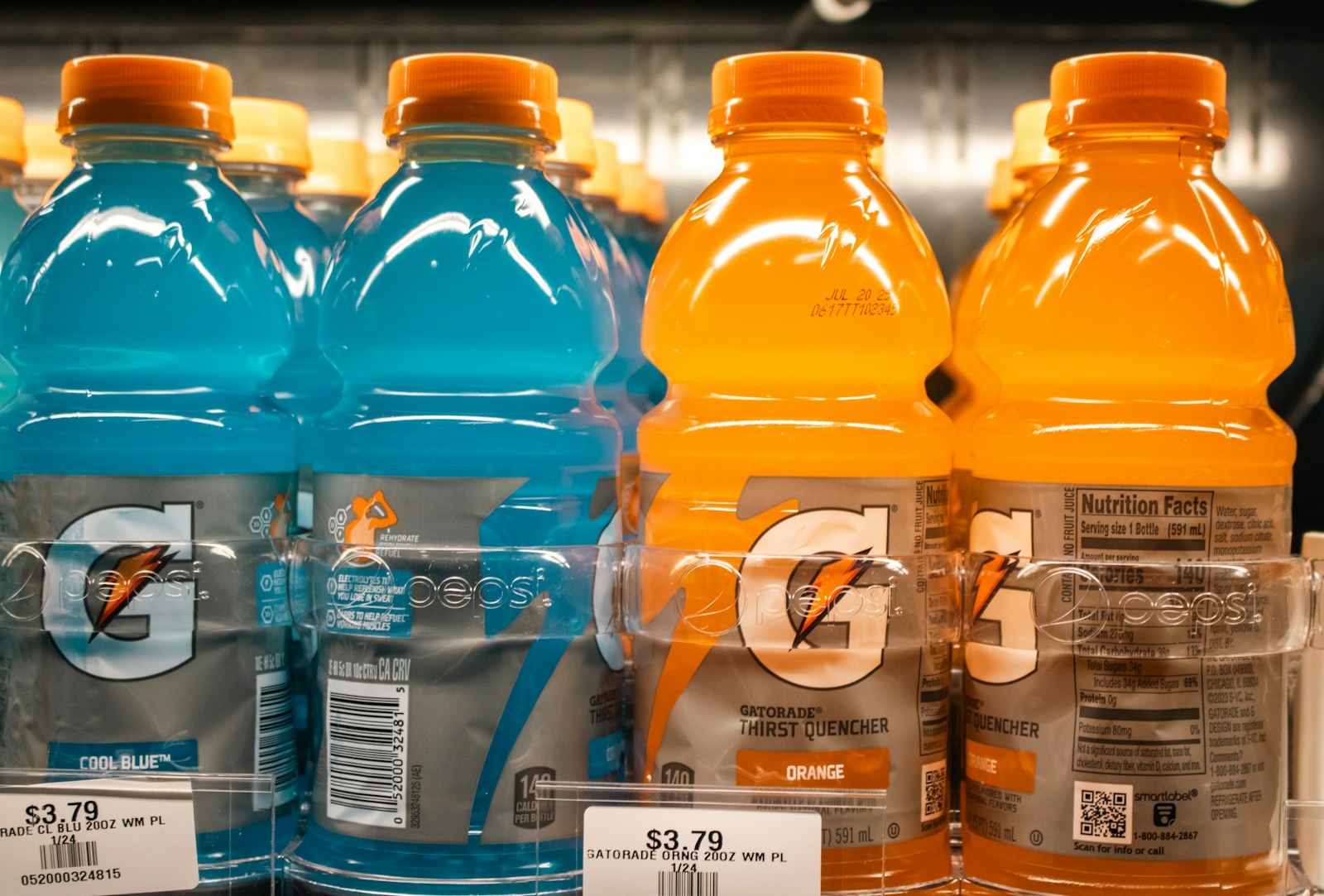
The market now includes everything from $8 urine color charts to $150+ wearable hydration sensors. Before buying anything, weigh these four factors against your actual needs.
- Accuracy vs. convenience — lab-grade urine specific gravity tests are more precise than color charts but take longer and cost more per use
- Data you'll actually use — a wearable that logs sweat rate is useless if you never check the app
- Electrolyte context — some dehydration signs (muscle cramps, fatigue) are actually electrolyte imbalances, not pure fluid loss, so sodium/potassium testing or supplementation may matter more than water alone
- Cost per use — reusable tools (hydration monitors, reusable test strips) often beat single-use kits over a season of regular use
Budget Tier: Under $20
At this price point, your best options are urine color charts, basic electrolyte tablets, and simple hydration-tracking apps. These won't give you lab precision, but for daily awareness — especially for athletes, outdoor workers, or anyone in hot climates — they're genuinely effective. A urine color chart costs almost nothing and, used consistently, is one of the more reliable low-tech hydration signals available.
Mid Tier: $20-$60
This range covers quality electrolyte powders with transparent sodium/potassium/magnesium dosing, reusable urine test strips that measure specific gravity, and basic hydration-tracking bottles with volume markers. For most people who exercise regularly or live somewhere hot, this is the sweet spot — meaningful data without unnecessary complexity.
Premium Tier: $60+
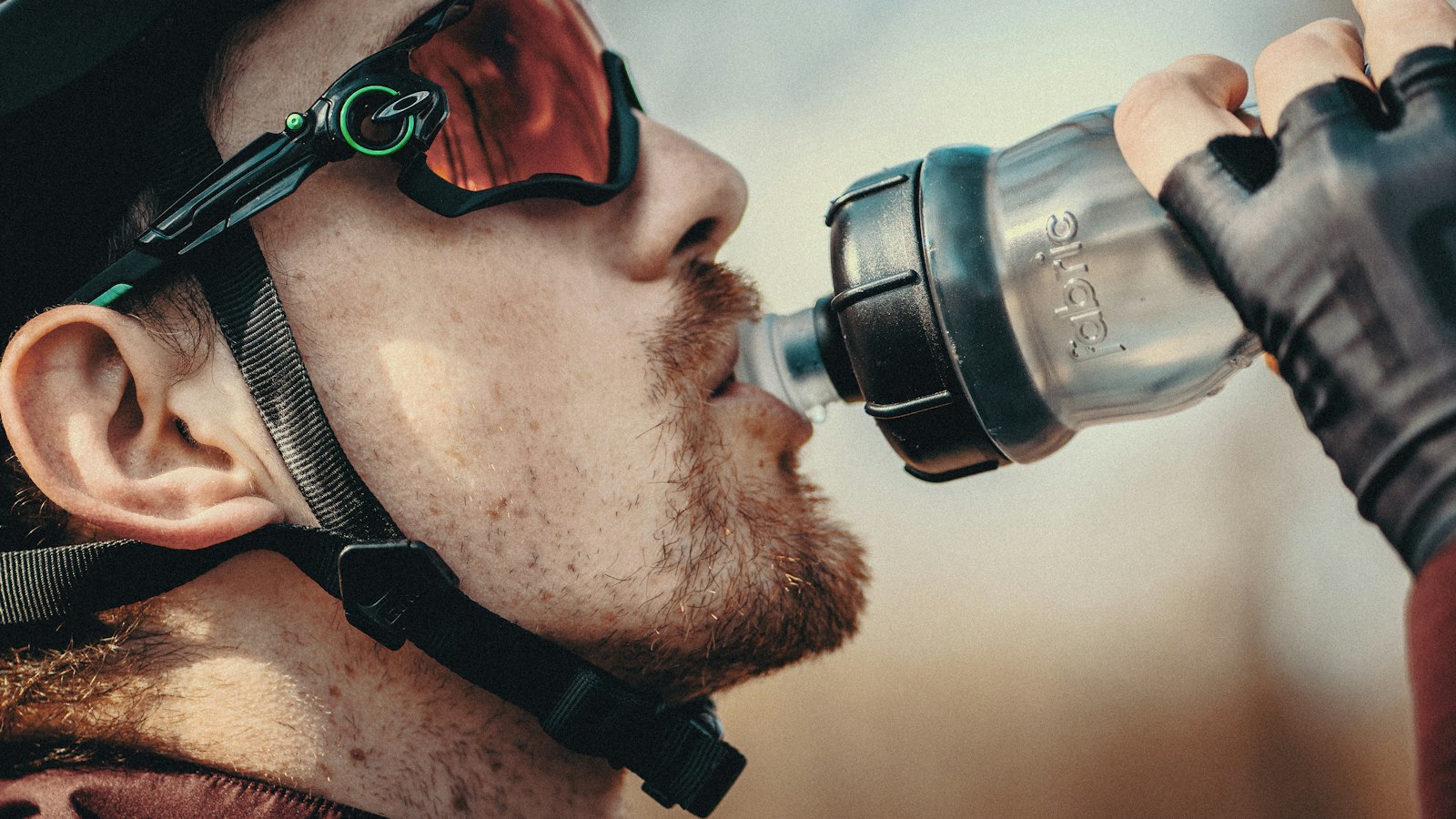
Wearable sweat-sensing patches and smart water bottles with app integration live here. They're most valuable for endurance athletes, people managing a medical condition that affects fluid balance, or anyone who wants continuous data rather than spot checks. For casual use, the marginal benefit over a $20 electrolyte + color chart combo is often small.
| Method | Cost Range | Best For | Limitation |
|---|---|---|---|
| Urine color chart | $0-$10 | Daily spot-checks, general awareness | Subjective, affected by vitamins/medications |
| Electrolyte test strips | $15-$30 | Athletes, sweat-heavy activity | Doesn't measure total fluid status |
| Smart hydration bottle | $30-$60 | Habit building, reminders | Tracks intake, not actual hydration level |
| Wearable sweat sensor | $80-$150+ | Endurance training, serious tracking | Higher cost, requires app engagement |
| Electrolyte powder/tablets | $15-$35 | Replacing sodium/potassium after sweat loss | Doesn't address pure water deficit alone |
Budget vs. Premium: What You're Really Paying For
The jump from budget to premium hydration tools isn't really about accuracy alone — it's about automation and continuous monitoring. A $10 color chart and a $120 wearable can both tell you that you're dehydrated; the wearable just tells you sooner and tracks trends over weeks. If you're generally healthy and active in moderate climates, budget and mid-tier tools cover 90% of real-world needs. Premium tools earn their price for endurance athletes, people in extreme heat, older adults at higher dehydration risk, or anyone managing a condition like kidney stones where consistent hydration monitoring has real stakes.
Build Your Daily Electrolyte Baseline
Stock up on transparently-dosed electrolyte powders and tablets that replace sodium, potassium, and magnesium lost through sweat — a core piece of any dehydration-prevention routine.
Shop Electrolytes on iHerb →Reusable Urine Test Strips
A mid-tier step up from color charts — reusable specific gravity strips give you a more objective daily hydration readout without the cost of wearables.
Check Prices on Amazon →Smart Water Bottles with Intake Tracking
Glow reminders and app-synced volume tracking make it easier to build consistent fluid habits, especially if you tend to forget to drink during busy days.
Browse Smart Bottles →Sweat-Sensing Hydration Wearables
For athletes and heavy sweat-rate training, a wearable sensor adds continuous, trend-based data that spot checks simply can't match.
Explore Hydration Wearables →A Simple System That Actually Works
You don't need every tool on this list. A reliable, low-cost baseline is: check urine color once or twice daily, keep an electrolyte supplement on hand for hot days or workouts, and use a marked water bottle to track intake against a daily goal. Add a wearable or test strips only if you're training seriously, live in extreme heat, or have a medical reason to monitor more closely.
The goal isn't to buy the most expensive hydration tech — it's to catch the early, subtle signs before they turn into a headache, a cramped muscle, or a lost afternoon. Start with the basics, upgrade only where the data genuinely changes your behavior, and treat hydration tracking as a habit, not a one-time purchase.
From across the network
More from the network on related topics: VitaminSupplyCenter · TrainLikeAlpha · EliteRecoveryLab.