Most people reach for coffee before water, yet your body wakes up already running a fluid deficit. Choosing the right morning hydration approach — not just any electrolyte packet on sale — can mean the difference between a sluggish, foggy start and a genuinely energized one. Here's what the evidence says matters, and how budget and premium options actually compare.
Why Morning Hydration Deserves Its Own Strategy
You wake up mildly dehydrated every single day. Six to nine hours without fluids, plus overnight respiration and perspiration, can cost you half a liter to a full liter of water. That's before coffee, which carries its own mild diuretic effect. This isn't a theory — it's basic fluid balance, and it's why the first 30 minutes after waking matter disproportionately for energy, focus, and even headache prevention.
The problem is that most people treat morning hydration as an afterthought: a glass of tap water, or skipping straight to caffeine. Choosing a deliberate morning hydration approach — whether that's a simple electrolyte mix, a mineral-rich water, or a layered routine — pays off in fewer mid-morning energy crashes and better workout performance if you train early.
What Actually Matters When Choosing a Morning Hydration Product
Not all hydration products are built the same, and marketing claims often outrun the science. Here's what's worth scrutinizing before you buy anything.
- Electrolyte profile: sodium and potassium are the workhorses for fluid retention; magnesium supports muscle and nervous system function but is often underdosed
- Sugar content: many commercial sports drinks pack 20g+ of added sugar per serving — unnecessary for most non-endurance mornings
- Third-party testing: look for NSF Certified for Sport or similar verification, especially if you're an athlete subject to testing
- Flavor and mixability: a product you won't actually drink consistently has zero benefit, regardless of its formula
- Format fit: powders/tablets for travel and dosing control, ready-to-drink for convenience, plain filtered water plus a pinch of salt for the minimalist approach
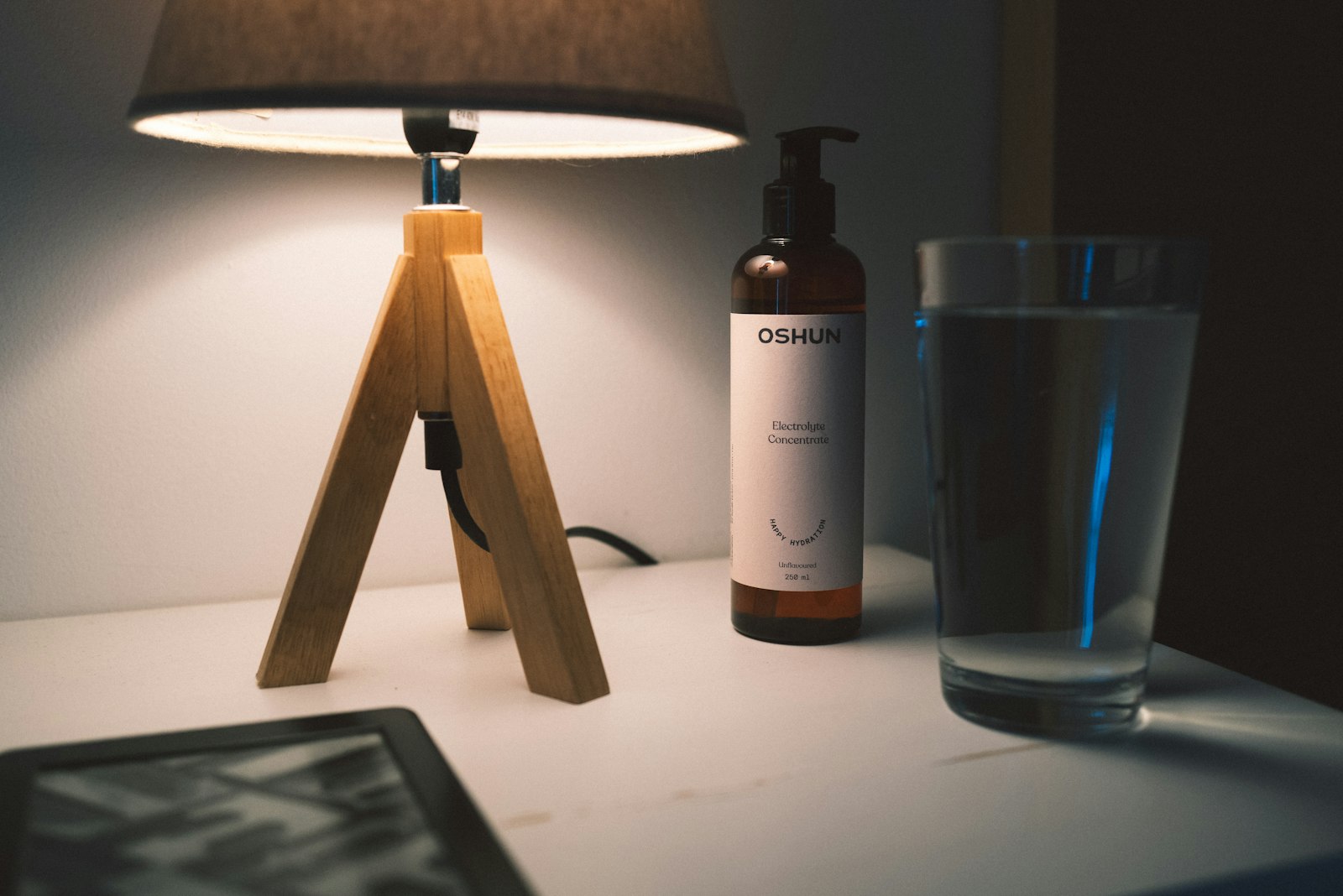
The Sodium Question: More Important Than You Think
Sodium gets a bad reputation because of processed food overconsumption, but for hydration purposes, sodium is the primary electrolyte that helps your body actually retain the water you drink rather than flushing it straight through. A morning electrolyte serving with roughly 300-500mg sodium is a reasonable range for most active adults, scaling up for heavy sweaters or hot climates.
Potassium (200-400mg) and magnesium (50-100mg) round out a well-formulated blend. If a product leads with sugar and food dye and buries the electrolyte panel on the back, that's a signal to keep looking.
Budget vs. Premium: What You're Actually Paying For
Morning hydration spans a wide price range, and the gap isn't always about efficacy — it's often about format, sourcing, and testing rigor.
- Budget tier ($0.10-$0.30/serving): generic electrolyte powders, often effective on core sodium/potassium content but may include artificial sweeteners or dyes
- Mid tier ($0.40-$0.80/serving): cleaner ingredient decks, natural flavoring, often third-party tested, better solubility
- Premium tier ($1.00+/serving): added functional ingredients (B-vitamins, adaptogens, coconut water solids), premium sourcing, and brand-backed testing transparency
- DIY tier (~$0.05/serving): plain water, a pinch of sea salt, and a splash of citrus — effective for basic sodium replacement but lacks potassium and magnesium precision
Comparing the Three Common Morning Hydration Formats
Here's how the main format categories stack up on the factors that matter most for a daily morning habit.

| Format | Best For | Watch Out For |
|---|---|---|
| Electrolyte powder/packet | Travel, dosing flexibility, cost control | Sugar content varies widely by brand |
| Ready-to-drink bottle | Convenience, pre-workout grab-and-go | Higher per-serving cost, plastic waste |
| Electrolyte tablets | Minimal packaging, easy to stash anywhere | Slower dissolve, can taste chalky |
| Mineral-rich bottled water | Zero prep, pleasant baseline hydration | Lower electrolyte concentration than dedicated mixes |
A Simple Framework for Choosing Yours
Start with your actual morning pattern, not the most hyped product on social media. If you train fasted or sweat heavily before 9am, prioritize a higher-sodium electrolyte mix with verified testing. If your mornings are sedentary and your main goal is simply feeling alert and avoiding the 10am slump, a lighter formula — or even water with a pinch of salt and lemon — may be entirely sufficient.
Budget for consistency over intensity. A $0.25 packet you actually drink every morning beats a $2 premium blend sitting unopened in the cabinet. Once the habit is locked in, upgrading ingredient quality is an easy next step.
Shop Clean-Label Electrolyte Mixes
iHerb carries a wide range of third-party-tested electrolyte powders with transparent sodium, potassium, and magnesium panels — ideal for comparing labels side by side before committing.
Browse on iHerb →Compare Electrolyte Powder Variety Packs
Sampler packs let you test multiple flavors and formulas before settling on a daily favorite — a practical way to avoid wasting money on a full tub you won't finish.
View options on Amazon →Grab Electrolyte Tablets for On-the-Go Mornings
Compact, no-mix-required tablets are built for gym bags, carry-ons, and desk drawers — a low-friction way to keep hydration consistent when your schedule isn't.
Shop tablets on Amazon →The Bottom Line
Morning hydration isn't about chasing the trendiest powder — it's about matching sodium, potassium, and magnesium content to your actual activity level, picking a format you'll use daily, and verifying ingredient claims rather than trusting marketing copy. Get the fundamentals right and the rest — energy, focus, workout quality — tends to follow.
From across the network
More from the network on related topics: VitaminSupplyCenter · TrainLikeAlpha · EliteRecoveryLab.