Microplastics have been found in tap water, bottled water, and groundwater worldwide — but not every filter is built to catch them. Here's how to cut through the marketing and choose filtration that actually works, at any budget.
Why Microplastics In Water Are Suddenly Everyone's Problem
Microplastics have gone from an obscure marine biology term to a kitchen-counter concern, and for good reason. Researchers have detected plastic particles in bottled water, municipal tap water, and even groundwater sources once considered pristine. These particles — generally classified as fragments smaller than 5mm, with the most concerning being nanoplastics under 1 micron — come from degraded packaging, synthetic fibers, industrial runoff, and aging plastic plumbing.
The health implications are still being studied, but early research links microplastic exposure to inflammatory responses and potential endocrine disruption. You can't control what's in the municipal supply before it reaches your home, but you absolutely can control what happens at your tap. Choosing the right filtration approach is the single highest-leverage decision you'll make this year for reducing your household's plastic exposure.
What Actually Matters When Filtering Out Microplastics
Not all filters are created equal, and marketing claims around 'purification' can be misleading. The filtration media and pore size are what determine whether microplastics — and especially the smaller nanoplastic fragments — actually get captured.
- Absolute pore size rating: Look for filters rated at 1 micron or smaller (absolute, not nominal) to reliably capture microplastic fragments.
- Multi-stage filtration: A single carbon block won't do it all. The best systems combine sediment pre-filters, activated carbon, and a sub-micron membrane stage.
- Reverse osmosis membranes: RO systems typically filter down to 0.0001 microns, making them the gold standard for nanoplastic removal.
- NSF/ANSI certification: Look for NSF 53 or NSF 401 certifications, which test for emerging contaminants and particulates.
- Flow rate vs filtration trade-off: Tighter filtration usually means slower flow — know what you're sacrificing for purity.
Budget Options: Pitcher and Faucet Filters
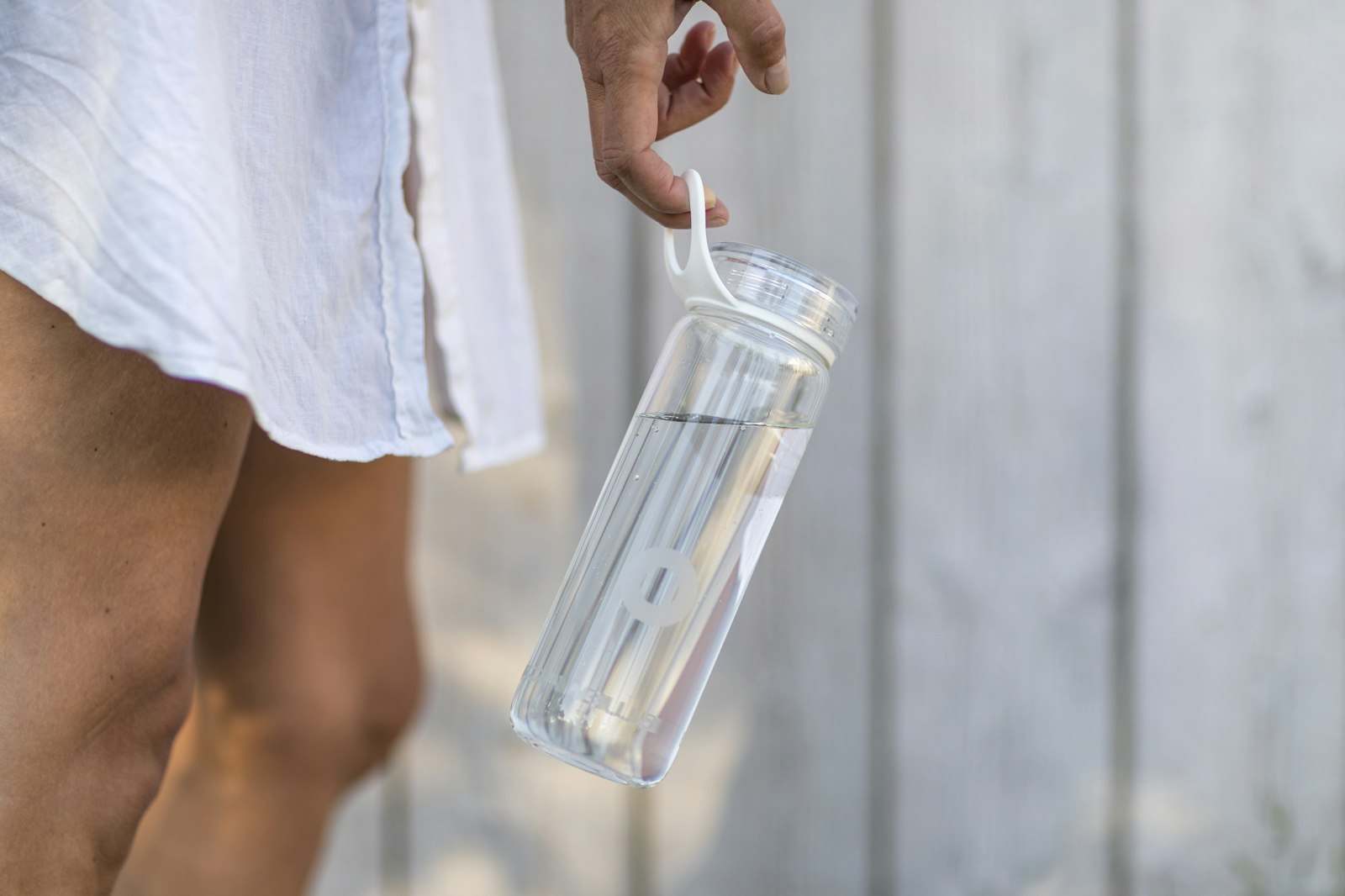
Entry-level pitcher filters and faucet attachments are the most accessible starting point, typically ranging from affordable to mid-priced depending on cartridge technology. They're a reasonable first step if you're just beginning to address water quality, but most standard carbon pitchers are rated for chlorine taste and odor reduction — not sub-micron particulate capture.
If you're shopping in this category, prioritize pitchers that explicitly advertise microplastic or sub-micron filtration claims backed by third-party testing data, rather than generic 'advanced filtration' language. Replacement cartridge cost matters too — a cheap pitcher with expensive, frequently-replaced cartridges can cost more over a year than a mid-range countertop unit.
Start With a Certified Pitcher Filter
A solid entry point for households testing the waters on microplastic reduction, with replaceable cartridges rated for sub-micron particulates.
Check Pricing →Mid-Range: Under-Sink and Countertop Multi-Stage Systems
Once you're ready to commit to consistent filtration, under-sink and countertop multi-stage systems offer a meaningful upgrade. These typically layer sediment filtration, carbon block, and a sub-micron or ultrafiltration membrane in sequence — addressing microplastics alongside chlorine, heavy metals, and VOCs in one pass.
This category represents the best value-to-performance ratio for most households in 2026. Installation is usually straightforward (many are tool-free), and cartridge replacement intervals tend to run six to twelve months depending on household water usage and source water quality.
Pair Filtration With Clean Hydration Support
Support your filtration upgrade with mineral and electrolyte products formulated for clean, well-hydrated daily intake.
Shop iHerb →Premium: Reverse Osmosis and Whole-House Systems
For the most comprehensive microplastic and nanoplastic reduction, reverse osmosis remains the most thoroughly validated technology. A quality RO system forces water through a semi-permeable membrane with pores small enough to reject particles far below the microplastic threshold, alongside dissolved solids, fluoride, and many pharmaceutical residues.
Whole-house systems take this further by treating water at the point of entry, which matters if you're concerned about microplastics shedding from aging plastic pipe or showering/bathing exposure, not just drinking water. The trade-off is upfront cost, installation complexity, and in the case of RO, wastewater generation during filtration and the need to remineralize treated water, since RO strips beneficial minerals along with contaminants.
| Filter Type | Typical Micron Rating | Best For | Relative Cost |
|---|---|---|---|
| Carbon Pitcher | 5–25 microns | Taste, basic reduction | $ |
| Faucet Filter | 1–5 microns | Light daily use | $ |
| Under-Sink Multi-Stage | 0.5–1 micron | Whole-kitchen daily use | $$ |
| Reverse Osmosis | 0.0001 microns | Comprehensive removal | $$$ |
| Whole-House System | Varies by stage | Full-home protection | $$$$ |
Upgrade to Sub-Micron Reverse Osmosis
For households ready to invest in the most thorough microplastic and nanoplastic reduction available for home use.
Compare RO Systems →Questions to Ask Before You Buy
Before adding any filter to your cart, run it through a short checklist. Has the manufacturer published independent lab testing for particulate or microplastic reduction, rather than relying on marketing language alone? What's the real annual cost once you factor in replacement cartridges and, for RO systems, membrane swaps every two to three years?
Also consider your household's actual water source. City tap water, well water, and water delivered through older plastic piping each carry different contaminant profiles, and your filtration choice should match that reality rather than a generic recommendation. If you're unsure what's in your water, a home water test kit is a worthwhile investment before you commit to a filtration tier.
Test Your Water Before You Filter
Identify what's actually in your water supply with an at-home test kit, so your filtration upgrade targets the right contaminants.
Find a Test Kit →The Bottom Line
Reducing microplastic exposure doesn't require an all-or-nothing approach. Start with an honest look at your water source and budget, choose a filtration tier that matches your actual risk, and treat it as an upgrade path rather than a single purchase. A certified pitcher today can become a multi-stage under-sink system next year, and eventually a whole-house setup if your circumstances call for it.
What matters most is choosing filtration backed by real micron ratings and third-party certification — not marketing copy. Your tap water in 2026 can be meaningfully cleaner than it was five years ago, but only if the system behind it is actually built to do the job.
From across the network
More from the network on related topics: VitaminSupplyCenter · TrainLikeAlpha · EliteRecoveryLab.