Hydration isn't just about drinking more water — it's about replacing the exact electrolytes your body loses during training, at the right concentration and the right time. This guide breaks down what actually matters when choosing hydration products, how budget and premium formulas really differ, and how to match your choice to your sport.
Why Hydration Is a Performance Variable, Not an Afterthought
Athletes lose far more than water when they sweat. Sodium, potassium, chloride, and magnesium all exit through sweat glands, and even a 2% drop in body mass from fluid loss can measurably reduce endurance, strength output, and cognitive sharpness during competition. The goal of a smart hydration strategy isn't just drinking more water — it's replacing the right electrolytes in the right ratios at the right time.
This is where most athletes get it wrong. They either chug plain water (diluting remaining sodium further) or reach for sugary sports drinks designed for mass-market convenience rather than genuine athletic output. Choosing hydration deliberately, based on your sweat rate, sport duration, and climate, is one of the simplest performance upgrades available in 2026.
The Core Variables That Actually Matter
Before comparing products, understand what you're optimizing for. Not every athlete needs the same formula, and premium price tags don't automatically mean better performance for your specific training load.
- Sodium content: most quality electrolyte mixes range from 300-700mg per serving; higher-sweat athletes in heat need the upper end
- Electrolyte completeness: sodium alone isn't enough — look for potassium, magnesium, and chloride together
- Carbohydrate ratio: sessions under 60 minutes rarely need added carbs; longer efforts benefit from a glucose-electrolyte blend for absorption
- Third-party testing: NSF Certified for Sport or Informed Sport matters for competitive athletes subject to drug testing
- Format: powders, tablets, and ready-to-drink options all work — the best one is the one you'll actually use consistently
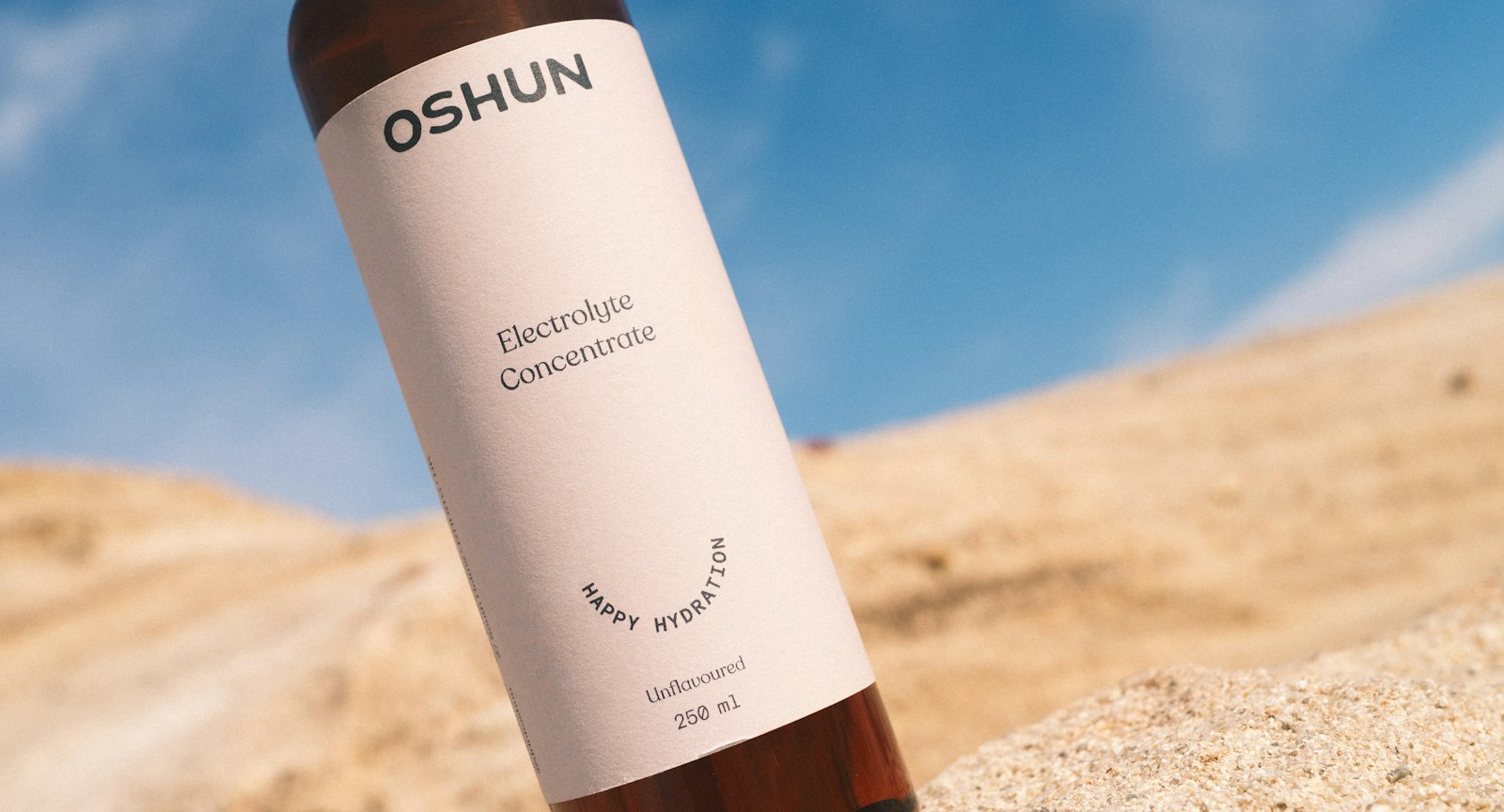
Budget vs Premium: What You're Actually Paying For
The electrolyte market spans a wide price range, and the differences aren't always about efficacy. Here's an honest breakdown of where your money goes at each tier.
- Budget tier: functional sodium-potassium blends, often with added sugars or artificial flavoring, cost-effective for daily training
- Mid-tier: cleaner ingredient panels, better-tasting natural flavors, balanced electrolyte ratios without excessive fillers
- Premium tier: third-party sport-certified formulas, added magnesium and trace minerals, often backed by sweat-testing research and used by professional teams
| Tier | Typical Sodium/Serving | Best For | Price Range |
|---|---|---|---|
| Budget | 150-250mg | Casual gym sessions, short runs | $0.20-$0.40/serving |
| Mid-Tier | 300-500mg | Regular training, moderate heat | $0.50-$0.90/serving |
| Premium | 500-700mg+ | Endurance events, high sweat rate, tested athletes | $1.00-$2.00/serving |
Matching Hydration to Sport Duration
A 30-minute strength session has fundamentally different hydration needs than a 3-hour trail run. Duration and intensity should drive your electrolyte strategy more than brand loyalty or marketing claims.
- Under 60 minutes: water is usually sufficient unless you're a heavy sweater or training in extreme heat
- 60-90 minutes: a basic electrolyte mix with sodium and potassium helps maintain performance
- 90+ minutes or extreme heat: full electrolyte profile with added carbohydrates becomes important for sustained output
- Multi-day events or tournaments: consider a magnesium-inclusive formula to support recovery between sessions

Build Your Hydration Stack with iHerb
Browse a wide range of third-party tested electrolyte powders, magnesium supplements, and clean-label hydration mixes trusted by endurance athletes worldwide.
Shop iHerb Hydration →Reading Labels Like an Athlete, Not a Marketer
Front-of-package claims like 'natural' or 'zero sugar' tell you almost nothing about actual electrolyte sufficiency. Flip to the supplement facts panel and check for the actual milligram amounts of sodium, potassium, and magnesium rather than relying on branding.
Also watch for proprietary blends that hide exact electrolyte amounts behind vague terms like 'hydration complex.' Transparent labeling is a strong signal of a brand confident in its formulation — and it lets you actually calculate whether a product matches your sweat loss.
Compare Top-Rated Electrolyte Powders
Explore bestselling electrolyte powders with transparent sodium and potassium content, ideal for daily training and long-duration events alike.
Shop Electrolyte Powders →Timing: Before, During, and After
Hydration strategy isn't a single decision — it's a three-part timeline. Pre-loading with electrolytes 30-60 minutes before activity helps prime fluid retention. During activity, sipping consistently (rather than gulping) maintains steady absorption. Post-workout, replacing sodium lost in sweat alongside protein supports recovery and reduces next-day fatigue.
Many athletes under-hydrate post-training because thirst isn't a reliable indicator of electrolyte deficit. Weighing yourself before and after intense sessions can reveal your personal sweat rate, which is the single most useful data point for calibrating how much fluid and sodium you actually need.
Try Portable Electrolyte Tablets
Compact, travel-friendly electrolyte tablets that dissolve quickly in water — a convenient option for athletes who train on the go or travel for competition.
Shop Hydration Tablets →Final Verdict: Choosing What's Right for You
There's no single 'best' hydration product for every athlete — only the best fit for your sport, sweat rate, and budget. Casual athletes training a few hours a week can thrive on a solid mid-tier electrolyte mix. Competitive and endurance athletes training daily or competing in heat should invest in a certified, complete-electrolyte premium formula.
Start by tracking your own sweat loss and symptoms of under-hydration — fatigue, cramping, headaches during long sessions — then choose a product tier that addresses those specific gaps rather than chasing the most expensive option on the shelf.
From across the network
More from the network on related topics: VitaminSupplyCenter · TrainLikeAlpha · EliteRecoveryLab.