With dozens of electrolyte powders competing for shelf space in 2026, most buyers default to brand recognition or flavor over the ingredient panel that actually determines how well a formula hydrates you. Here's how to cut through the marketing and choose based on sodium content, mineral ratios, and real-world use — whether you're comparing a budget tub or a premium blend.
Why Not All Electrolyte Powders Are Created Equal
Walk down any supplement aisle or scroll through an online store in 2026 and you'll find dozens of electrolyte powders promising to fix your hydration, energy, and recovery in one scoop. The truth is more nuanced. Electrolyte formulas vary wildly in sodium content, mineral ratios, added sugars, and sourcing quality — and those differences directly affect how well your body actually absorbs and uses them.
Choosing the right powder isn't about picking the flashiest label. It's about understanding what your body needs during exercise, heat exposure, illness, or daily life, and matching that to a formula built on real electrolyte science rather than marketing hype.
The Core Electrolytes That Actually Matter
Before comparing brands, it helps to know what you're looking for on the label. A quality electrolyte powder should be built around the minerals your body loses most through sweat, not just whatever is cheapest to source.
- Sodium — the primary electrolyte lost in sweat; most functional formulas contain 300–1000mg per serving depending on use case
- Potassium — supports muscle function and fluid balance; look for at least 100–200mg per serving
- Magnesium — often underdosed, but important for muscle relaxation and sleep quality
- Chloride — works alongside sodium for fluid regulation and is often overlooked in ingredient panels
- Trace minerals — zinc, calcium, and manganese in small amounts can round out a formula without adding bulk
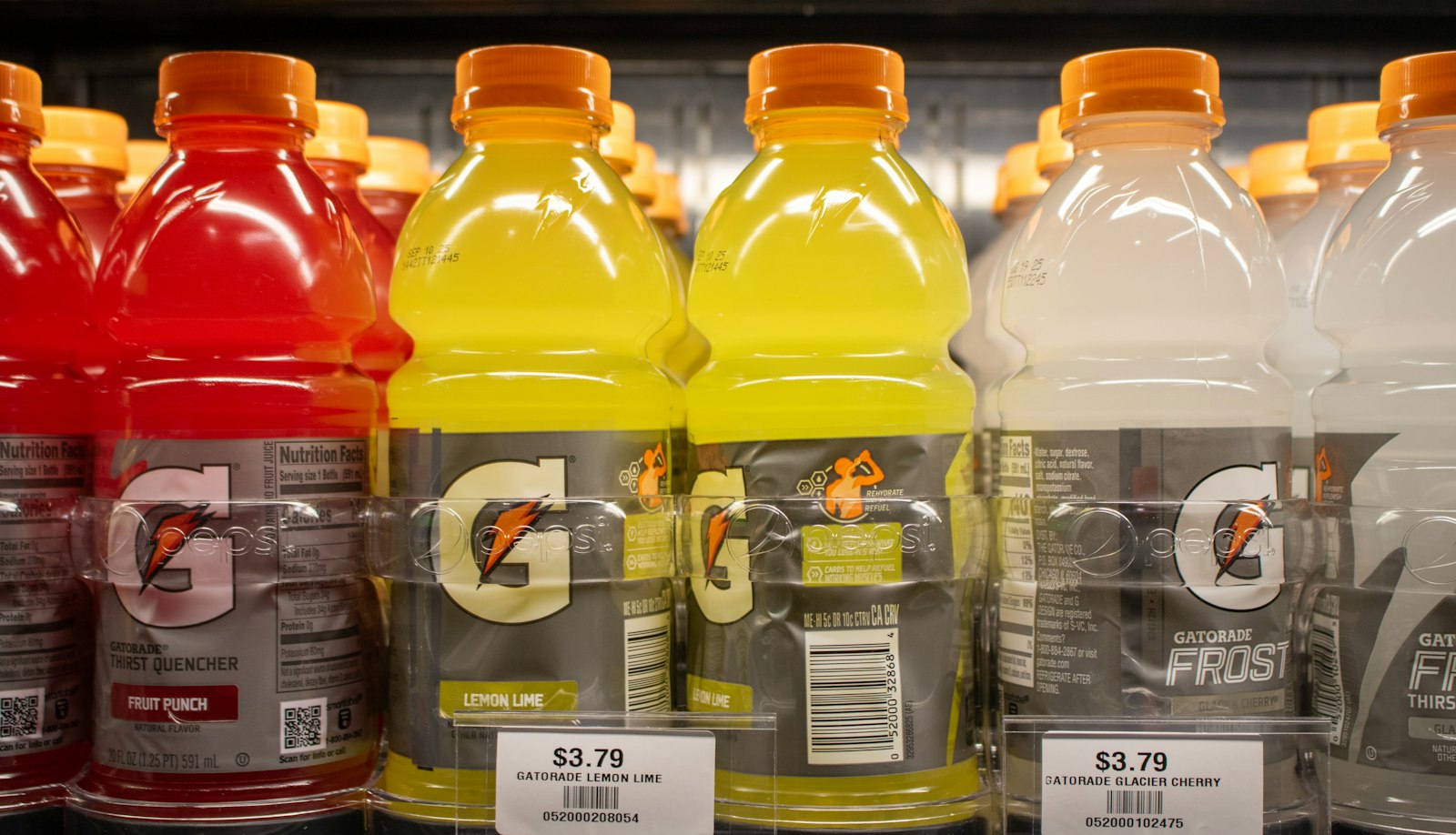
Sugar, Sweeteners, and Fillers: Read Before You Buy
Many mainstream electrolyte products lean heavily on dextrose or sucrose to improve taste and aid glucose-assisted sodium absorption. That's not inherently bad — a small amount of carbohydrate can actually help electrolyte uptake during long or intense workouts. The issue is when sugar becomes the second or third ingredient purely for flavor, adding unnecessary calories to a product meant for hydration, not snacking.
On the other end, some 'zero sugar' powders substitute in sugar alcohols or artificial sweeteners that can cause GI discomfort in sensitive individuals. Reading the full ingredient list — not just the front-of-label claims — is the single best habit you can build when comparing options.
Budget Formulas: What You Give Up
Budget electrolyte powders, often sold in bulk tubs or multipacks, can be a reasonable entry point if you're mainly looking for basic sodium and potassium replacement during light activity. However, they frequently cut costs through artificial flavoring, minimal magnesium, and lower-quality mineral sources like generic potassium chloride blends. For casual users — light gym sessions, everyday hydration, or occasional heat exposure — these can work fine as a baseline option.
Premium Formulas: Where the Extra Cost Goes
Premium electrolyte powders typically justify their price through third-party testing, more complete mineral profiles, and cleaner sweetener systems (stevia, monk fruit, or simply less sugar overall). Many also include added B-vitamins or amino acids for endurance athletes, though these additions matter far less than getting the core electrolyte ratios right. If you're training seriously, dealing with frequent heat exposure, or have higher sweat-sodium loss, the upgrade is usually worth it.

| Factor | Budget Powders | Premium Powders |
|---|---|---|
| Sodium per serving | Often 150–300mg | Often 400–1000mg, adjustable by use case |
| Sweetener source | Sugar, dextrose, or artificial blends | Stevia, monk fruit, or minimal added sugar |
| Magnesium inclusion | Rare or trace amounts | Commonly included at functional doses |
| Third-party testing | Uncommon | Increasingly standard |
| Best for | Light daily use, casual hydration | Endurance training, heavy sweat loss, heat exposure |
Compare Clean-Label Electrolyte Formulas
iHerb carries a wide range of electrolyte powders with transparent ingredient panels, making it easy to compare sodium, magnesium, and sweetener sources side by side before you buy.
Shop Electrolyte Powders →Matching the Formula to Your Activity Level
The 'best' electrolyte powder depends heavily on context. Someone doing a 30-minute walk has very different sodium needs than someone running a summer half-marathon or working a physically demanding outdoor job. Rather than chasing the most popular product, match the formula's sodium and carbohydrate content to your actual sweat rate and activity duration.
As a general framework: light activity under an hour rarely requires more than basic hydration with water; moderate activity of 1-2 hours benefits from a moderate electrolyte formula (300-500mg sodium); and intense, prolonged, or hot-weather activity often calls for higher-sodium formulas closer to 700-1000mg per serving, sometimes with added carbohydrate for absorption.
Browse Top-Rated Electrolyte Powders
Compare bestselling electrolyte powders across sodium levels, flavors, and formats to find the right match for your training or daily hydration routine.
Shop on Amazon →Format Matters: Powders, Tablets, and Single-Serve Packets
Beyond ingredients, the format you choose affects real-world consistency. Bulk tubs offer the best cost-per-serving but require a scoop and can be messy for travel. Single-serve packets cost more per serving but simplify dosing precision and portability — useful for gym bags, hiking packs, or office desks. Effervescent tablets are convenient but often contain more filler and citric acid than powders, which can affect taste and stomach comfort for some users.
There's no universally 'correct' format — the best choice is the one you'll actually use consistently, since even the most perfectly formulated electrolyte powder does nothing sitting unopened in a cabinet.
Find Convenient Single-Serve Electrolyte Packets
For on-the-go hydration, single-serve electrolyte packets offer precise dosing without the mess of scooping from a tub — ideal for gym bags, desks, and travel.
View Options →A Simple Checklist Before You Buy
When comparing any electrolyte powder in 2026, run it through this quick checklist rather than relying on marketing claims alone.
- Does it list actual sodium, potassium, and magnesium amounts — not just a proprietary blend?
- Is sugar or sweetener content appropriate for how you'll use it (training fuel vs. daily hydration)?
- Does the sodium level match your activity intensity and sweat rate?
- Is the format one you'll realistically use consistently?
- Does the brand provide any third-party testing or sourcing transparency?
The Bottom Line
Choosing an electrolyte powder doesn't require chasing the most expensive or most hyped option on the shelf — it requires matching real mineral content to your real physiological needs. Budget formulas can serve casual hydration needs, while premium formulas earn their price through more complete mineral profiles and cleaner ingredient sourcing for serious training or heavy sweat loss.
Read the label, understand your sodium needs, and pick the format you'll actually stick with. That's the real formula for better hydration — no marketing required.
From across the network
More from the network on related topics: VitaminSupplyCenter · TrainLikeAlpha · EliteRecoveryLab.