Not all bottled water is created equal — and the spring-versus-purified debate isn't just marketing noise. Here's what actually separates the two, backed by mineral content, processing methods, and real use cases, so you can stop guessing at the label and start choosing with confidence.
Spring Water vs. Purified Water: The Real Difference
Both start as water, but they diverge in sourcing and treatment — and that divergence matters more than marketing labels suggest. Spring water is collected from an underground source that flows naturally to the surface, then bottled with minimal processing. It typically retains trace minerals like calcium, magnesium, and potassium, giving it a distinct, sometimes slightly sweet or mineral-forward taste that varies by source and season.
Purified water starts from any source — municipal tap, groundwater, or spring — and is stripped of contaminants and dissolved solids via reverse osmosis, distillation, or deionization. The result is a blank-slate water with a neutral, almost flat taste and near-zero mineral content. Neither is inherently 'better' for everyone; the right choice depends on your health goals, taste preferences, and how you use water day to day.
How Each Type Is Actually Made
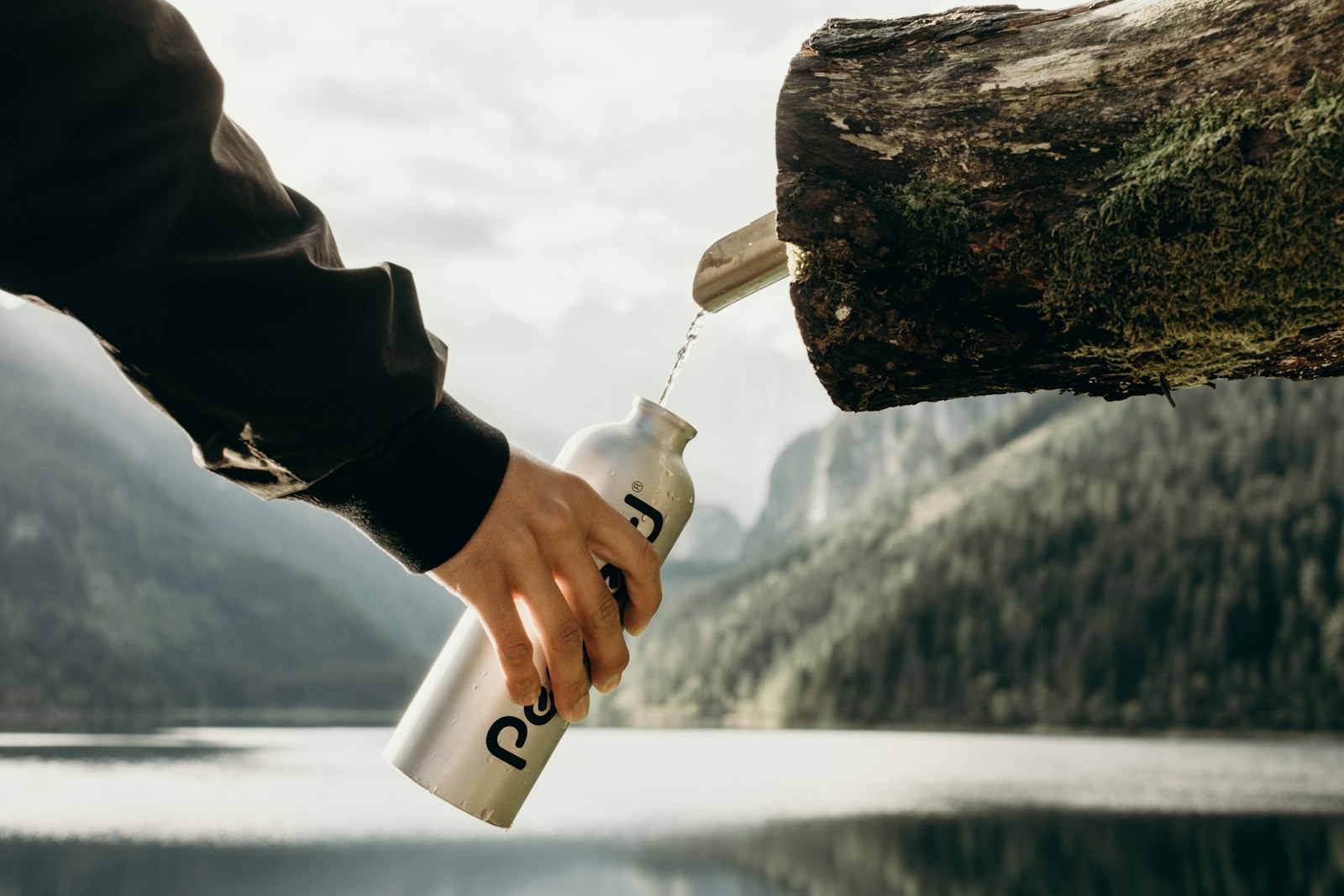
Spring water must, by regulatory definition in most markets, come from an identified underground formation and be collected at the point where it naturally emerges or via a borehole tapping the same aquifer. Treatment is usually limited to filtration and ozonation for safety — the mineral profile stays largely intact because heavy processing isn't required.
Purified Water Processing
Purified water can start from any water source, then undergo one or more purification steps: reverse osmosis pushes water through a semi-permeable membrane to remove dissolved salts and contaminants; distillation boils and re-condenses water, leaving minerals and impurities behind; deionization removes charged particles. Many bottled 'purified' waters combine RO with carbon filtration for taste and safety.
Taste, Mineral Content, and What the Label Tells You
If you've ever noticed bottled waters taste noticeably different from brand to brand, mineral content is usually why. Spring water's dissolved minerals affect mouthfeel and flavor — some people find it 'softer' or slightly sweet, while heavily mineralized spring sources can taste faintly metallic or sulfurous. Purified water, having had minerals stripped, tends to taste clean but flat, which is why some purified brands add back trace minerals for taste (check the label for 'minerals added for taste').
TDS (total dissolved solids) is the most useful number for comparing them at a glance. Spring water commonly ranges from 50–500 ppm depending on the source, while purified water is typically under 10 ppm unless minerals are reintroduced.
| Factor | Spring Water | Purified Water |
|---|---|---|
| Source | Natural underground spring/aquifer | Any source, heavily treated |
| Typical TDS | 50–500 ppm (varies by source) | Under 10 ppm (unless minerals added) |
| Mineral content | Retains natural calcium, magnesium, potassium | Stripped, sometimes added back for taste |
| Taste consistency | Varies by source and season | Consistent, neutral |
| Best for | Everyday hydration, mineral intake, flavor preference | Infant formula, medical use, cooking, appliances |
| Processing | Minimal filtration, ozonation | Reverse osmosis, distillation, or deionization |
Best Use Cases for Spring Water
Spring water tends to be the better everyday-drinking choice for people who want some mineral content without added electrolyte powders or supplements. The naturally occurring calcium and magnesium can make a modest contribution to daily intake, and many people simply prefer the taste over flat, mineral-free water.
It's also a solid pick for anyone who dislikes the taste of their tap water but doesn't want the extra processing (or plastic waste) of heavily filtered bottled options. If you're choosing a everyday case or jug for the office, gym bag, or family fridge, spring water is usually the more palatable default.
Stock Up on Natural Spring Water
A trusted multi-pack case is the easiest way to keep mineral-rich spring water on hand for the whole household without daily store runs.
Shop Spring Water Cases →Best Use Cases for Purified Water
Purified water earns its place in specific, practical scenarios where mineral content is either irrelevant or actually undesirable. Infant formula preparation is the clearest example — pediatric guidance generally favors low-mineral water so you can control exactly what's added to formula. Home appliances like steam irons, CPAP humidifiers, and coffee makers also benefit from purified water, since mineral buildup (limescale) can shorten their lifespan and affect performance.
For anyone on a low-sodium or mineral-restricted diet due to a medical condition, purified water offers more predictable, near-zero mineral content. It's also the preferred base for precise cooking and baking applications where consistency matters more than flavor nuance.
Upgrade to Reliable Home Purification
For consistent, low-TDS water on demand, a quality countertop or under-sink purification system pays for itself versus buying cases of bottled purified water.
Explore Purification Options →What to Look for When Choosing a Bottle or Case
Regardless of which type you choose, a few label details separate genuinely good options from marketing fluff.
Look for a stated TDS or mineral content range on the label or brand website — reputable spring water brands are transparent about source and mineral makeup. For purified water, check whether minerals are added back for taste, and confirm the purification method used (RO, distillation, or a multi-barrier system). Also check the bottle material: BPA-free plastic or glass is preferable for anyone concerned about microplastics or chemical leaching, especially for water stored long-term or exposed to heat.
- Source transparency (named spring/aquifer, or stated purification method)
- TDS or mineral content listed on label
- BPA-free packaging, ideally glass or PET #1
- Third-party testing or NSF/ANSI certification
- Sell-by date and recommended storage conditions
Grab Reliable Purified Water in Bulk
For infant formula prep, appliance use, or simple peace of mind, a case of certified purified water is an easy staple to keep stocked.
Shop Purified Water →Our Ranking: Which Wins for Most People?
For general daily hydration where taste and mild mineral intake matter, spring water ranks slightly higher for most healthy adults — it's minimally processed, naturally sourced, and tends to taste better straight from the bottle. But purified water isn't a runner-up so much as a specialist: for infant formula, medical diets, and appliance use, it's the clear, evidence-backed choice.
The smartest approach for most households is keeping both on hand — spring water for daily drinking and cooking where flavor matters, purified water for the specific situations where mineral-free consistency counts.
Build Your Household Water Rotation
Combine a spring water case for everyday drinking with a purified water case for baby formula, appliances, and medical needs — the practical two-water system most experts recommend.
Shop Water Essentials →From across the network
More from the network on related topics: VitaminSupplyCenter · TrainLikeAlpha · EliteRecoveryLab.