From dry mouth to dizziness, not every dehydration symptom deserves the same level of concern — here's how to tell the early warnings from the red flags, and what to do about each one.
Why Ranking Dehydration Signs Actually Matters
Not all dehydration symptoms are created equal. Some show up early and mildly, others signal your body is in genuine trouble, and a few are so subtle they get blamed on stress, poor sleep, or 'just getting older.' Learning to rank these signs by severity and reliability helps you intervene before performance, mood, or kidney function take a hit.
This guide breaks down the most evidence-backed signs of dehydration, from the obvious to the overlooked, so you know exactly what to watch for and when it's time to reach for more than just a glass of water.
The Ranked List: Signs Of Dehydration From Mild To Severe
Dehydration exists on a spectrum. Losing as little as 1-2% of body water can measurably affect concentration and mood, while losses beyond 5% start impacting physical performance and cardiovascular strain. Here's how the most common signs stack up in terms of how early they appear and how urgently they should be taken.
- Thirst and dry mouth — the earliest, most obvious signal, often already a step behind actual fluid loss
- Dark yellow urine — a fast, at-home indicator of concentration levels in the body
- Fatigue and reduced alertness — mild dehydration is linked to measurable drops in energy and focus
- Headache — often triggered by reduced blood volume and changes in brain fluid balance
- Dizziness or lightheadedness upon standing — a sign blood pressure is struggling to keep up with fluid loss
- Dry skin with reduced elasticity — the 'skin pinch test' losing its snap-back
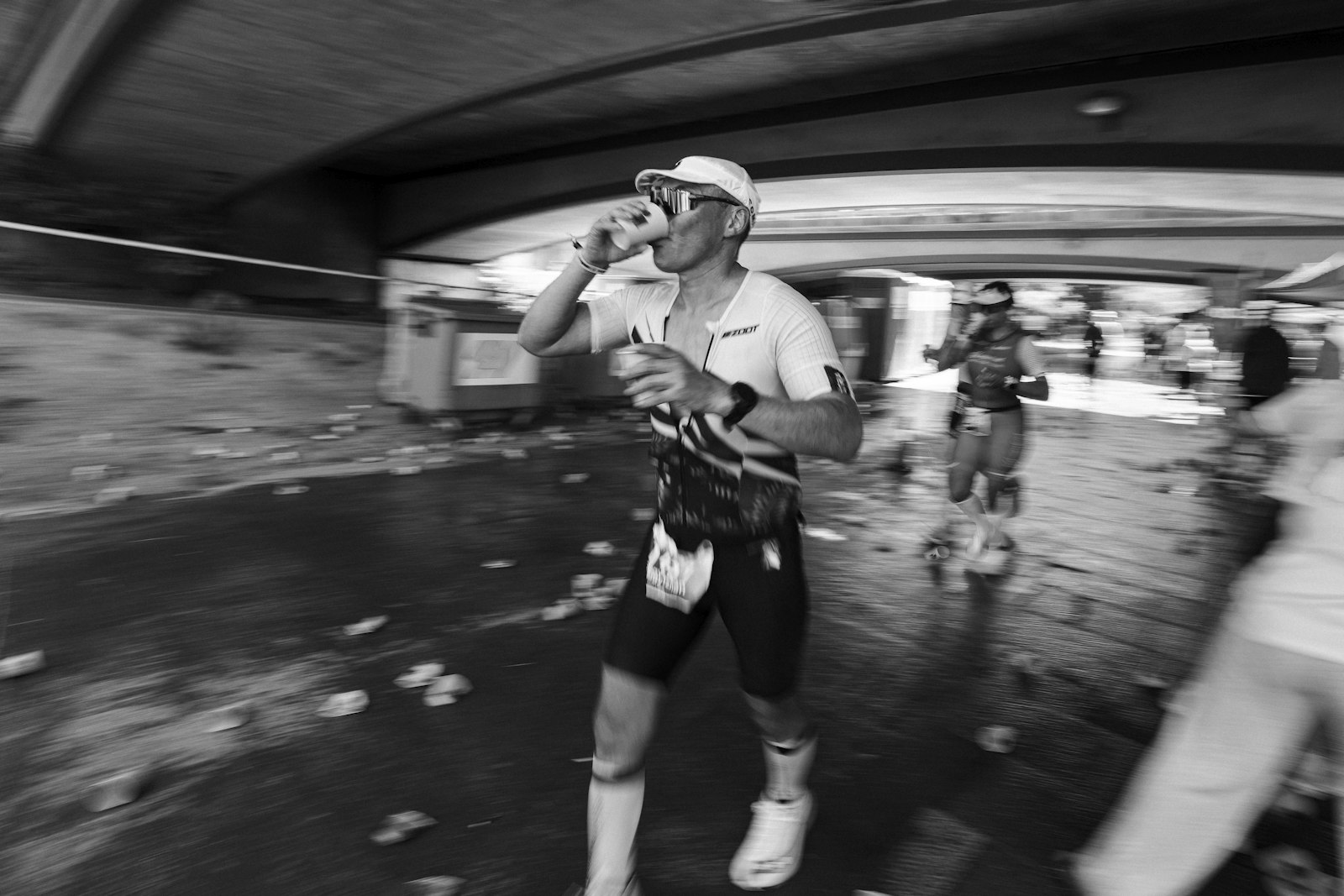
- Muscle cramps — especially during or after exercise, tied to fluid and electrolyte loss
- Rapid heart rate — the body compensating for lower blood volume
- Confusion or severe weakness — a red-flag sign requiring immediate rehydration and possibly medical care
1. Thirst and Dry Mouth — The Baseline Signal
Thirst is your body's oldest alarm system, but it's an imperfect one. By the time you feel thirsty, you've often already lost a meaningful percentage of your body's water reserves. Dry mouth, sticky saliva, and reduced saliva production are early companions to thirst and tend to appear before more serious symptoms.
2. Urine Color — The Most Practical At-Home Check
Pale straw-colored urine generally signals good hydration, while dark yellow or amber urine suggests your kidneys are conserving water because there isn't enough to spare. This is one of the fastest, no-cost ways to self-assess hydration status multiple times a day without any tools.
| Sign | Typical Onset | Urgency Level |
|---|---|---|
| Thirst / dry mouth | Very early | Low |
| Dark urine | Early | Low-Moderate |
| Fatigue / low focus | Early-Moderate | Moderate |
| Headache | Moderate | Moderate |
| Dizziness on standing | Moderate | Moderate-High |
| Muscle cramps | Moderate (often exercise-linked) | Moderate-High |
| Rapid heart rate | Moderate-Severe | High |
| Confusion / severe weakness | Severe | Emergency |
3. Fatigue and Reduced Mental Sharpness
Mild dehydration has been associated with measurable dips in alertness, short-term memory, and mood, even before people report feeling thirsty. If your afternoon slump lines up with skipped water breaks rather than a heavy lunch, hydration status is worth checking first.
4. Headaches Tied to Fluid Loss
Dehydration-related headaches are thought to stem from reduced blood volume and temporary shifts in brain fluid balance. These headaches often respond quickly to rehydration, which is a useful diagnostic clue on its own — if water and electrolytes help within an hour, fluid loss was likely a contributing factor.
5. Dizziness, Cramps, and Rapid Heart Rate — When It Gets Serious
As fluid loss increases, blood pressure can drop when you stand up, muscles become more prone to cramping (especially during exertion or heat exposure), and the heart compensates by beating faster to maintain circulation. These are signs that mild dehydration is progressing toward moderate-to-severe territory and deserve prompt fluid and electrolyte replacement.
Replenish Fluids and Electrolytes Efficiently
A quality electrolyte formula with sodium, potassium, and magnesium can address dehydration signs faster than water alone, especially after sweating or illness.
Shop Electrolyte Formulas →Track Your Intake With A Marked Water Bottle
Time-stamped water bottles make it easier to catch early dehydration signs before thirst even kicks in, by keeping consistent intake visible all day.
Shop Water Bottles →Check Hydration Status With Urine Test Strips
Simple urine test strips can offer a more objective read on hydration and concentration levels than color alone, useful for athletes and anyone monitoring symptoms closely.
Shop Test Strips →Build A Daily Hydration Routine
Pairing consistent water intake with an electrolyte or mineral supplement supports steadier energy, sharper focus, and fewer of the early warning signs covered above.
Explore Hydration Support →Bringing It All Together
The most reliable approach isn't waiting for a single dramatic symptom — it's recognizing the pattern. Dry mouth plus dark urine plus an afternoon energy crash is a stronger signal than any one sign alone. Treat the early, low-urgency signs seriously, and you'll rarely find yourself dealing with the high-urgency ones.
In 2026, with more accessible at-home testing and smarter hydration tools than ever, there's little reason to guess. Pay attention to the ranked signs above, keep electrolytes on hand, and let your body's own signals — read correctly — do the heavy lifting.
From across the network
More from the network on related topics: VitaminSupplyCenter · TrainLikeAlpha · EliteRecoveryLab.