Microplastics are turning up in bottled water, tap water, and even human tissue — but the right filtration strategy can cut your daily exposure significantly. Here's what genuinely works in 2026, ranked by evidence, not marketing.
Why Microplastics In Water Are Suddenly Everyone's Problem
Microplastics have moved from an abstract ocean-cleanup talking point to something showing up in bottled water studies, tap water surveys, and even human blood samples. The particles — fragments smaller than 5mm, often invisible to the naked eye — shed from plastic bottles, pipe linings, synthetic fabrics, and industrial runoff. Once ingested, their long-term health impact is still being studied, but the precautionary case for filtering them out of your daily water is strong.
The good news: you don't need a lab to reduce your exposure meaningfully. The right filtration approach, combined with smarter container choices, can cut microplastic intake dramatically. This guide ranks the most effective categories of solutions for 2026, explains the science behind what actually works, and helps you match a system to your household.
How We Ranked These Picks
Not all filters are created equal when it comes to microplastics. Pore size, filtration media, and NSF certification matter far more than marketing claims. We prioritized options with documented sub-micron filtration, real independent testing standards, and practical everyday usability — because a filter you don't maintain is a filter that stops working.
- Filtration pore size rated at 1 micron or smaller for particulate capture
- Independent certification (NSF/ANSI 42, 53, or 401 where applicable)
- Filter media type — activated carbon block vs. reverse osmosis vs. hollow fiber
- Ease of maintenance and realistic filter-change cadence
- Value relative to household water usage
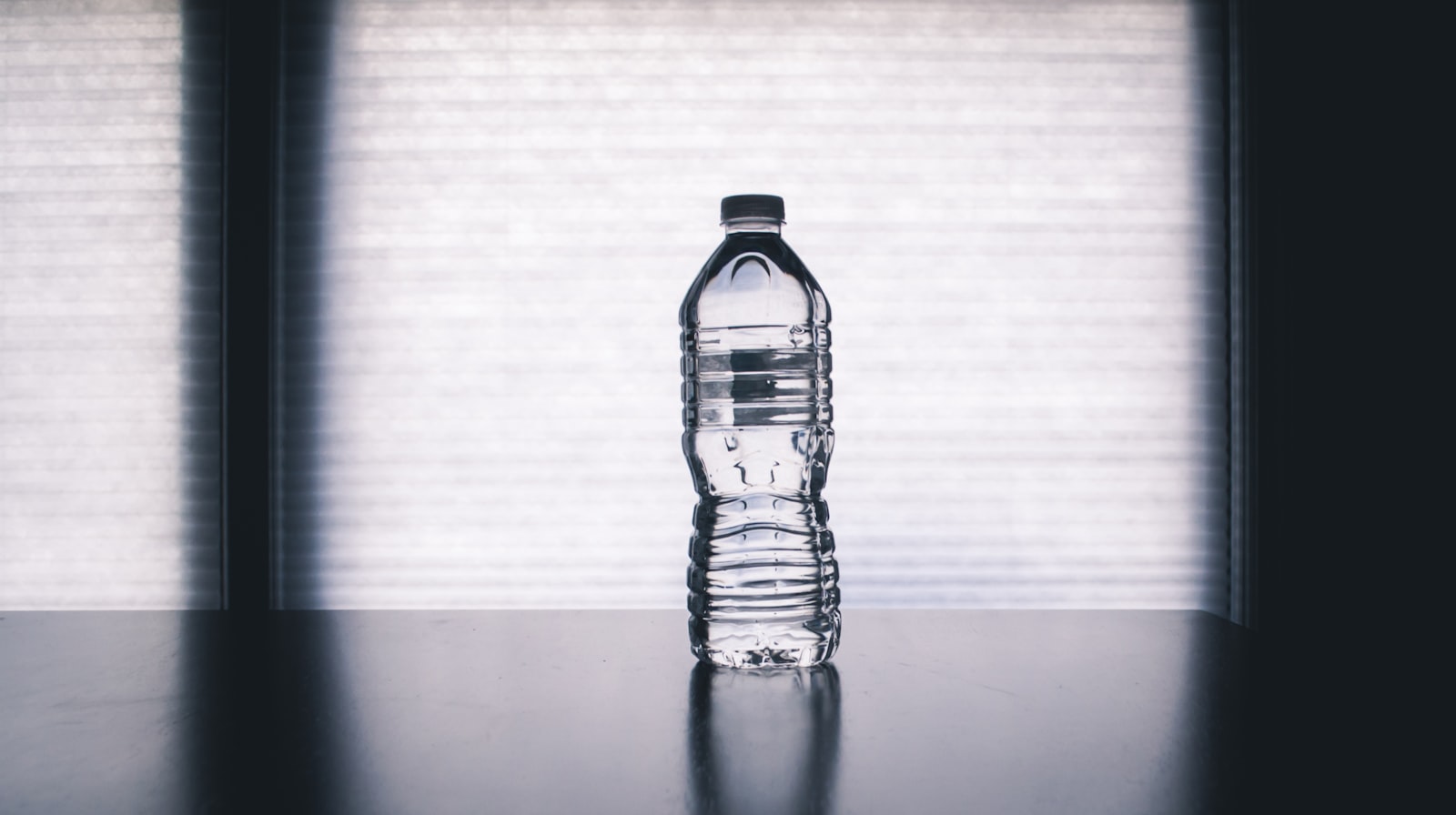
1. Reverse Osmosis Systems — The Gold Standard
Reverse osmosis (RO) remains the most thorough approach for microplastic reduction because its membrane pore size (typically around 0.0001 micron) is small enough to reject particles, fragments, and many dissolved contaminants simultaneously. Under-sink RO systems are ideal for households that drink and cook with filtered water daily.
The tradeoff is water waste and mineral stripping — many modern units now include remineralization stages to address the latter. If you're serious about comprehensive filtration and have counter or under-sink space, this tier is worth the investment.
Best For
Families, health-focused households, and anyone filtering water used for infant formula or cooking.
Compare Top-Rated Under-Sink RO Systems
Browse independently reviewed reverse osmosis systems with NSF-certified membranes and remineralization stages built for daily household use.
Shop RO Systems →
2. Activated Carbon Block Filters — The Everyday Workhorse
Carbon block filters, whether in pitcher form or faucet-mounted, use densely compressed activated carbon to trap particulates as water passes through. Quality carbon block filters rated at 0.5 micron or below can meaningfully reduce microplastic fragments along with chlorine, sediment, and some heavy metals.
This is the most practical entry point for renters, apartment dwellers, or anyone who wants noticeable improvement without plumbing modifications. Look for filters explicitly tested against particulate reduction standards rather than taste-only claims.
| Filter Type | Typical Pore Size | Microplastic Reduction | Best Use Case |
|---|---|---|---|
| Reverse Osmosis | ~0.0001 micron | Very High | Whole-household drinking & cooking water |
| Carbon Block (Pitcher/Faucet) | 0.5–1 micron | Moderate–High | Daily counter or fridge use |
| Hollow Fiber Filters | 0.1–0.3 micron | High | Portable bottles & travel filtration |
| Standard Sediment Filters | 5+ micron | Low | Pre-filtration only, not standalone |
3. Hollow Fiber Filter Bottles — Filtration On The Go
Hollow fiber membrane technology, originally developed for medical dialysis and outdoor water purification, has found its way into portable filter bottles. These membranes typically filter down to 0.1–0.3 micron, making them surprisingly effective against microplastic fragments while remaining compact enough for a gym bag or backpack.
They're not a replacement for home filtration, but for travel, hiking, or office use where you're relying on tap or fountain water of unknown quality, a hollow fiber bottle is a smart supplemental layer.
Find a Hollow Fiber Filter Bottle for Travel
Compact, refillable bottles using hollow fiber membrane technology are an easy way to filter on the move without waiting on a full home system.
Shop Filter Bottles →What To Look For Before You Buy
Marketing language around "purification" and "advanced filtration" is largely unregulated, so the details matter more than the buzzwords. Before purchasing any system, confirm these specifics rather than taking claims at face value.
- Micron rating explicitly stated (lower is more thorough for microplastics)
- Third-party certification such as NSF/ANSI standards, not just internal testing
- Filter replacement cost and frequency — a cheap unit with expensive cartridges isn't a bargain
- Whether the system also reduces chlorine, heavy metals, or PFAS if that matters to you
- Material of the housing itself — some plastic housings can ironically shed particles over time; stainless steel or certified food-grade plastic housings are preferable
Container Choices Matter As Much As Filtration
Filtering your water source solves half the problem — what you store and drink it in solves the other half. Studies have shown that reused single-use plastic bottles and worn plastic containers can shed microplastics into the water they hold, especially when exposed to heat, sunlight, or repeated washing.
Switching to glass, stainless steel, or well-maintained BPA-free hard plastic bottles for storage reduces a secondary source of contamination that filtration alone won't fix. This is especially relevant if you're filling a portable bottle from a home RO or carbon system — the container becomes the last line of defense.
Stock Up on Clean-Water Support Essentials
Explore iHerb's range of glass and stainless-steel hydration bottles alongside water-testing and mineral supplement options to round out a lower-exposure routine.
Shop on iHerb →Building A Realistic Household Strategy
Very few households need every tier of filtration at once. A practical approach layers solutions based on how water is actually used: an under-sink RO or high-quality carbon block system for drinking and cooking water, a portable hollow fiber bottle for travel, and a conscious switch away from reused single-use plastic bottles for storage.
Start with whichever gap is largest in your current routine. If you're still drinking primarily from disposable bottles, that's the highest-impact first change. If you already filter at home but travel frequently with tap water, a portable filter closes that remaining gap. Small, consistent upgrades compound into a meaningfully lower microplastic exposure over time — and unlike many wellness trends, this one is backed by a filtration mechanism you can actually verify.
Explore Whole-House Filtration Add-Ons
For households wanting filtration at every tap, compare whole-house sediment and carbon pre-filter systems that pair well with under-sink RO setups.
Shop Whole-House Filters →From across the network
More from the network on related topics: VitaminSupplyCenter · TrainLikeAlpha · EliteRecoveryLab.