Sweating more doesn't mean drinking more plain water is the answer — it means replacing the right minerals in the right amounts. Here's how the top hydration formats for athletes actually stack up, ranked by what the evidence and label math support.
Why Generic Sports Drinks Fall Short
Most mainstream sports drinks were formulated decades ago around one variable: sugar-driven carbohydrate delivery. That's fine for a casual jog, but athletes training hard in 2026 lose far more than glucose. Sweat carries sodium, potassium, magnesium, and chloride — and the ratio in which you lose them rarely matches the ratio in a $2 bottle of neon liquid.
The result is a familiar cycle: drink plenty of fluid, still cramp, still feel foggy by the third quarter or the back half of a long run. That's usually not a fluid problem — it's an electrolyte and osmolality problem. The products below are ranked on how well they solve that specific issue, not just on flavor or marketing.
What Actually Matters When Ranking Hydration Products
Before the rankings, it helps to know the four variables that separate a genuinely effective hydration product from a flavored placebo.
- Sodium content — most effective formulas land between 300-700mg per serving, since sweat sodium losses for heavy sweaters often exceed what a standard sports drink provides
- Full electrolyte panel — potassium, magnesium, and chloride matter alongside sodium; sodium-only formulas ignore the other minerals lost in sweat
- Carbohydrate type and dose — for sessions under 60 minutes, added sugar is often unnecessary; for endurance efforts over 90 minutes, a moderate glucose/fructose blend supports sustained output
- Third-party testing — athletes subject to drug testing should prioritize products certified by NSF Certified for Sport or Informed Sport, since supplement contamination is a real and documented risk
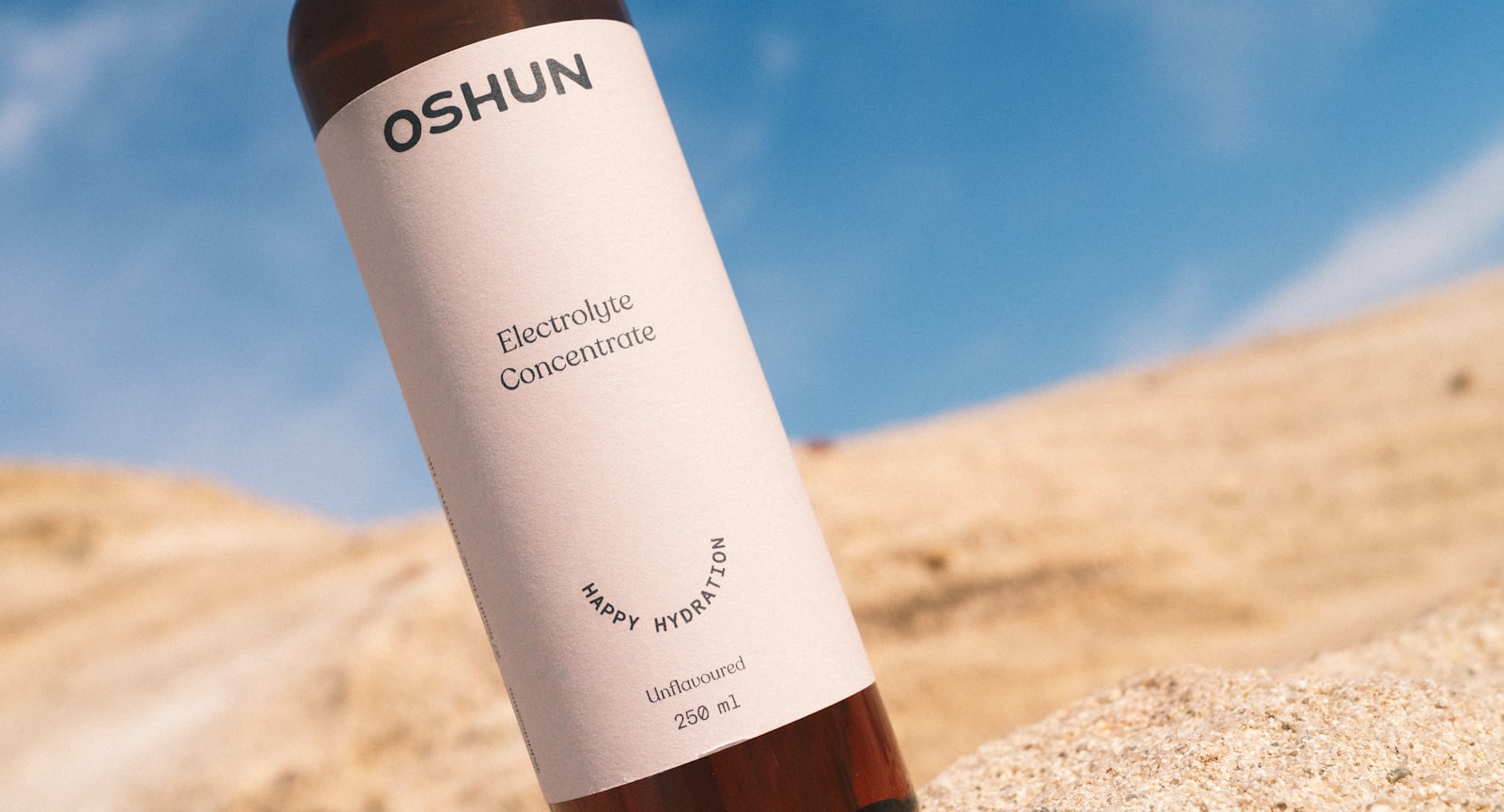
The Ranked List: Top Hydration Categories for Athletes
Single-serve electrolyte powders remain the most flexible option for most athletes. They travel well, mix into any water bottle, and let you control concentration by adjusting water volume. Look for a sodium-forward blend (300mg+) with potassium and magnesium included, and minimal or no added sugar for shorter training sessions.
2. Ready-to-Drink Electrolyte Beverages (Best for Convenience)
Pre-mixed electrolyte drinks trade some cost-efficiency for zero prep time — grab, drink, go. They're ideal for gym bags, sideline coolers, and travel days when you can't guarantee access to clean water for mixing. The tradeoff is usually a lower electrolyte concentration per bottle compared to a powder you control yourself.
3. Carbohydrate-Electrolyte Endurance Fuels (Best for Long Sessions)
For efforts past 90 minutes — marathon training blocks, long rides, multi-hour team practices — a formula that pairs electrolytes with a moderate carbohydrate dose (typically 20-40g per serving) helps maintain blood glucose and delay fatigue. These are not meant for everyday sipping; save them for genuinely long or high-intensity sessions.

4. Electrolyte Tablets (Best for Minimalists)
Effervescent tablets dropped into a water bottle offer a middle ground between powders and RTDs — compact, mess-free, and easy to dose. They generally carry lighter electrolyte doses than powders, making them better suited to moderate sweat losses than to heavy, salty sweaters.
| Format | Best For | Typical Sodium/Serving | Added Sugar |
|---|---|---|---|
| Electrolyte Powder | Daily training, heavy sweaters | 300-700mg | None to low |
| Ready-to-Drink | Convenience, travel, sideline use | 150-400mg | Low to moderate |
| Carb-Electrolyte Fuel | Sessions 90+ minutes | 300-500mg | Moderate (20-40g carb) |
| Electrolyte Tablets | Light-to-moderate sweat loss | 150-300mg | None to low |
Stock Up on Trusted Electrolyte Formulas
iHerb carries a wide range of third-party-tested electrolyte powders and tablets from established sports nutrition brands, often at better value than single retail packs.
Shop Electrolytes on iHerb →Matching the Product to the Use Case
Ranking aside, the 'best' hydration product is the one that matches your actual sweat rate, session length, and testing requirements. A weekend recreational lifter has very different needs than a two-a-day preseason athlete training in August heat.
Heavy sweaters — people who finish a session with visible salt rings on their shirt — typically need the higher end of the sodium range regardless of format. Lighter sweaters training indoors in climate-controlled gyms can often get away with lower-dose tablets or even electrolyte-enhanced water.
Compare Electrolyte Powders by Sodium Content
Browse best-selling electrolyte powder tubs on Amazon and check the supplement facts panel for sodium, potassium, and magnesium per scoop before buying.
Shop Electrolyte Powders →A Simple Framework for Building Your Own Hydration Plan
Rather than chasing a single 'best' product, build a layered plan: plain water for baseline daily hydration, an electrolyte powder or tablet for training days, and a carbohydrate-electrolyte fuel reserved for sessions that genuinely run long. Weigh yourself before and after a hard session once — the pounds lost are roughly ounces of fluid you need to replace, and that number tells you far more than any label claim.
- Weigh in before and after a representative training session to estimate fluid loss
- Note whether you finish with visible salt residue on skin or clothing — a marker of higher sodium loss
- Choose sugar-free electrolytes for sessions under an hour, carb-inclusive fuels for anything longer
- Rotate products seasonally — hot summer training demands more sodium than mild spring conditions
Find Carb-Electrolyte Fuel for Long Sessions
For training blocks over 90 minutes, compare endurance fuel mixes on Amazon that combine electrolytes with a moderate carbohydrate dose.
Shop Endurance Fuels →Final Take
There is no single universal winner in hydration — only the right format for the right session. Electrolyte powders earn the top spot for most athletes because of their flexibility and concentration control, but ready-to-drink options, tablets, and carbohydrate fuels each have a legitimate place depending on session length and sweat rate. Build your rotation around your actual training demands, check labels for real sodium and mineral content rather than flashy claims, and prioritize third-party-tested products if you're subject to drug testing.
From across the network
More from the network on related topics: VitaminSupplyCenter · TrainLikeAlpha · EliteRecoveryLab.