Not all electrolyte powders are created equal — some deliver clinically meaningful sodium and potassium in absorbable forms, while others are flavored sugar water wearing a hydration label. Here's how to separate the two, and which formulas actually earn a spot in your cabinet in 2026.
Why Electrolyte Powders Deserve A Spot In Your Daily Stack
Plain water rehydrates. It does not replenish the charged minerals — sodium, potassium, magnesium, chloride — that regulate nerve signaling, muscle contraction, and fluid balance across cell membranes. When you sweat, train fasted, follow a lower-carb protocol, or simply drink a lot of water without matching mineral intake, you dilute plasma electrolyte concentration faster than you replace it.
Electrolyte powders solve a narrow but important problem: fast, measurable mineral replacement without eating a meal. The best formulas are transparent about milligrams per serving, use well-absorbed mineral forms, and skip the sugar bomb that turns a hydration tool into a dessert.
Who Actually Needs Supplemental Electrolytes
If none of the above apply and you eat a varied diet with regular meals, you likely need electrolytes only around intense exercise — not as an all-day sipping habit.
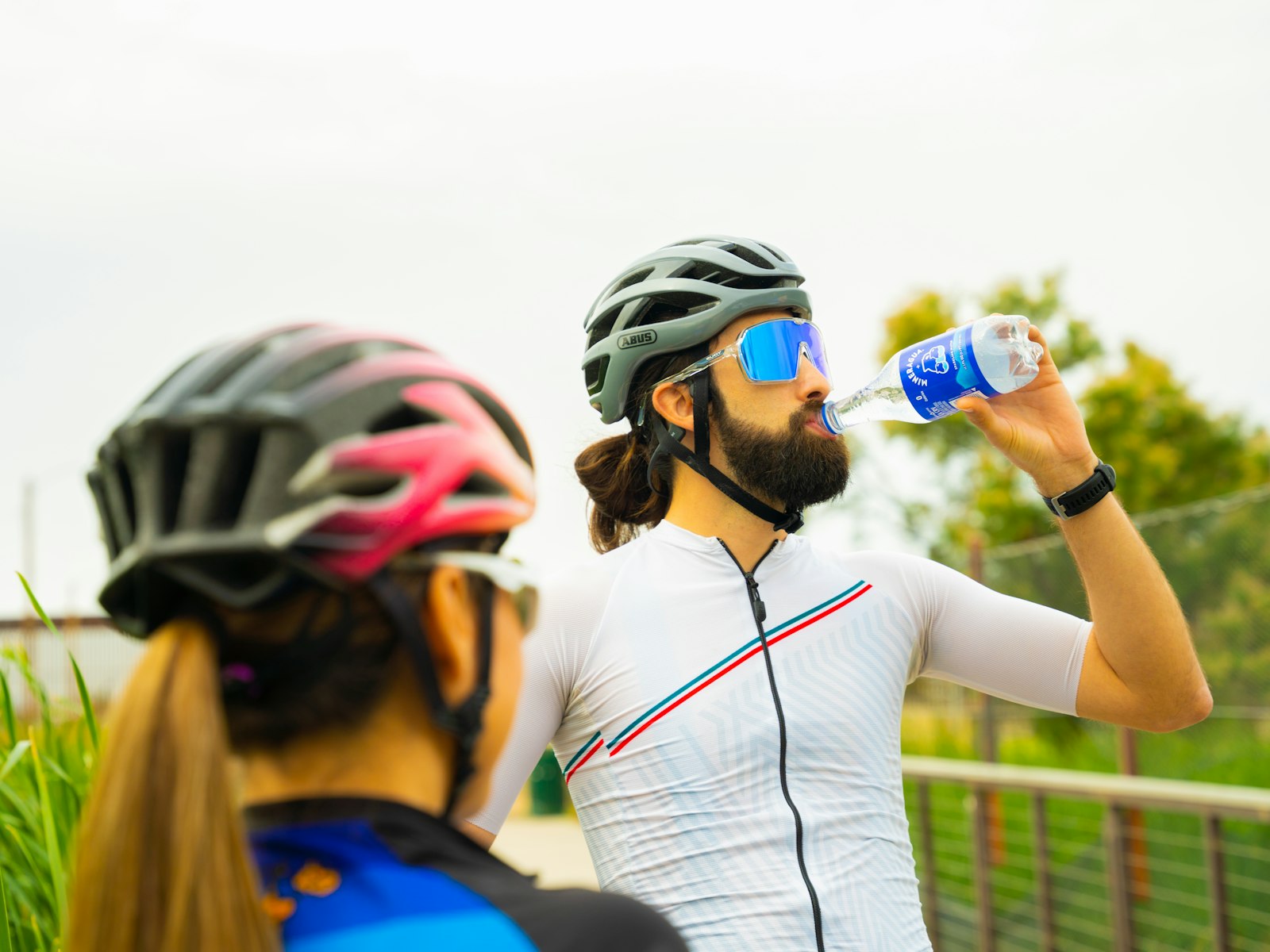
- Endurance athletes, hot-yoga or CrossFit regulars, and anyone sweating heavily for 60+ minutes
- People following ketogenic, low-carb, or intermittent-fasting protocols, where insulin drops and kidneys excrete more sodium
- Adults in hot climates, frequent flyers, or those recovering from illness with fluid loss
- Coffee-heavy drinkers whose mild diuretic intake outpaces plain water replacement
- Anyone experiencing afternoon energy crashes, headaches, or muscle cramps that improve with added sodium and potassium
The Core Minerals, Ranked By Importance
Sodium is the primary electrolyte lost in sweat and the one most directly tied to blood volume and hydration status. Effective powders deliver 300–600mg of sodium per serving, typically as sodium citrate or sodium chloride — both absorb well and citrate has a milder taste profile.
Potassium — the balancer
Potassium works opposite sodium across cell membranes and supports normal muscle and heart function. Look for 150–300mg per serving as potassium citrate or chloride; more than that can taste bitter and isn't necessary for most non-athletes.
Magnesium — the underrated add-on
Many electrolyte blends skimp on magnesium because it's harder to formulate without a chalky texture. Magnesium glycinate or malate forms are gentler on digestion than magnesium oxide and support the muscle-relaxation side of hydration that sodium and potassium alone don't cover.
| Mineral Form | Absorption Profile | Best For |
|---|---|---|
| Sodium citrate | High, gentle on stomach | General hydration, endurance |
| Sodium chloride | High, faster onset | Heavy sweat loss, heat |
| Potassium citrate | High | Cramp prevention, keto |
| Magnesium glycinate | Moderate-high, low GI upset | Sleep, muscle recovery |
| Magnesium oxide | Low, laxative effect | Budget formulas (less ideal) |
Sugar, Sweeteners, And Additive Red Flags
A genuinely useful electrolyte powder shouldn't need 8–16g of added sugar to be palatable. Stevia, monk fruit, or a small amount of cane sugar (2–5g) for taste is reasonable; anything resembling a soda's sugar content defeats the purpose of a health-forward supplement.
Scan for artificial dyes and unnecessary fillers like maltodextrin used purely as a bulking agent. Clean formulas typically list mineral salts, a natural flavor system, and little else.
Shop Clean-Label Electrolyte Powders
Compare sodium-citrate and low-sugar formulas from established supplement brands, with transparent mineral panels on every listing.
Browse on iHerb →Dosing: How Much, How Often
For general daily use, one serving mixed into 16–20oz of water covers typical fluid needs alongside meals. During exercise, aim for one serving per 30–45 minutes of sustained sweating in heat, adjusted to thirst and personal sweat rate.
Avoid doubling servings reflexively — excess sodium without adequate water intake can worsen dehydration symptoms rather than fix them. If you have kidney disease, heart failure, or take blood pressure medication, talk to a physician before adding regular supplemental sodium or potassium.
Compare Top-Rated Sport Electrolyte Mixes
Search current bestsellers with verified sodium and potassium content per serving, sugar-free options, and multi-flavor variety packs.
Shop Amazon →Powder, Capsule, Or Tablet — Which Format Wins
Powders dissolved in water are the fastest-absorbing and easiest to dose precisely, making them the top choice for active use. Capsules are convenient for travel but require you to drink adequate water separately, and tablets that fizz in water sit between the two — decent absorption with less flavor customization.
For daily maintenance, capsules can work well if you don't want the taste of a flavored drink every day. For workouts, heat exposure, or fasting protocols, powders mixed into your water bottle remain the gold-standard format for practical reasons.
Explore Electrolyte Capsules For Travel & Fasting
For those who prefer no-mix convenience, compare capsule-based electrolyte supplements with clearly labeled sodium, potassium, and magnesium per dose.
View Options →Our Ranking Framework For 2026
Rather than crown a single "best" brand — formulations change and personal taste varies — we rank electrolyte powders on four criteria: mineral transparency (mg per serving disclosed), sugar content under 5g, use of well-absorbed mineral forms (citrate over oxide, chloride over sulfate), and third-party testing or manufacturing transparency.
Products meeting all four criteria consistently outperform flashier, higher-marketed options that hide behind proprietary blends. When comparing labels, the serving-size math should always add up: multiply electrolyte mg by servings per container and compare cost per gram of actual sodium and potassium delivered, not just price per tub.
Bottom Line
The best electrolyte powder is the one whose label you can fully read and verify — real mineral amounts, minimal sugar, and forms your body absorbs efficiently. Match your dose to your sweat rate and daily fluid intake rather than a marketing claim, and treat electrolytes as a targeted tool for active days, heat, or low-carb eating — not a replacement for a balanced diet.
From across the network
More from the network on related topics: VitaminSupplyCenter · TrainLikeAlpha · EliteRecoveryLab.